Embracing the Free-Spirited Beauty of Boho Interior Design
Many homeowners struggle with reconciling their love for collected treasures with the pressure to maintain a "perfect" Instagram-worthy space. Boho interior design offers a refreshing alternative—a celebration of individuality, comfort, and artistic expression that invites you to create spaces as unique as your own story.
Research shows that the aesthetic is evolving toward "curated eclecticism", balancing vintage authenticity with modern restraint rather than the cluttered maximalism of previous decades.
This forgiving approach welcomes the imperfect plaster wall, the flea market find, and the family heirloom with equal enthusiasm. The result is a home that feels both elevated and lived-in—sophisticated yet comfortable enough for everyday family life.
In this guide, you'll discover boho's defining traits, key elements that create the signature aesthetic, style variations from minimalist to maximalist, and practical tips for bringing this timeless look into your own home.
TLDR: Quick Guide to Boho Interior Design
- Blends eclectic patterns, natural materials, and global influences for spaces that feel collected over time
- Layer plants, woven baskets, macramé, warm textiles, and soft lighting for authentic boho appeal
- Style variations range from modern minimalist boho with neutral palettes to colorful maximalist approaches and southwestern-inspired designs
- Success comes from thoughtful curation and quality handcrafted pieces rather than mass-produced décor
- Balance personal treasures with intentional choices—"no rules" still requires editing
What is Boho Interior Design?
Bohemian (boho) design originated in 19th-century Paris among artists, writers, and intellectuals who rejected conventional bourgeois lifestyles. The term "bohémien" was initially used to describe the Romani people, whom the French mistakenly believed came from Bohemia.
Artists adopted this label as they embraced similarly nontraditional, nomadic lifestyles that valued creativity over wealth.
This artistic heritage shaped the core philosophy that remains unchanged today: there are no strict rules.
Key characteristics of boho design include:
- Choosing pieces that express your personality and bring joy, regardless of whether they "match"
- Emphasis on natural materials like rattan, jute, and wood
- Handcrafted elements that tell a story
- Global cultural influences from textiles to artifacts
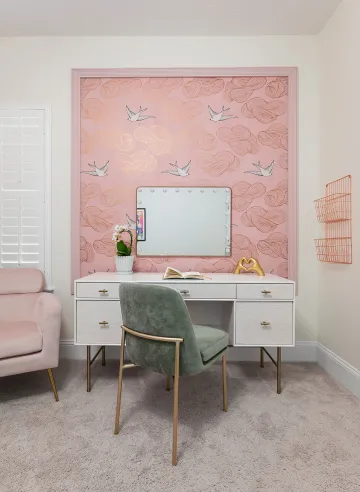
This freedom distinguishes boho from more structured design styles.
Why Boho Remains Popular
The aesthetic has evolved from counterculture statement to mainstream favorite as it adapts beautifully across age groups and life stages—from nurseries to adult retreats.
Pinterest Predicts for 2026 identifies "Afrohemian Decor" as a surging trend, blending African and bohemian styles. Interest is driven significantly by Boomers and Gen X seeking personalized, collected interiors.
Boho also blends seamlessly with other design styles. You can layer boho textiles into a modern space or add contemporary furniture to a vintage-filled room without losing coherence.
Dispelling the Clutter Myth
A common misconception equates boho with cluttered or cheap. Authentic elevated boho is about thoughtful curation and quality pieces. The goal is creating spaces that feel "collected over time" rather than decorated in a day—a distinction that separates professional boho design from the "yard sale exploded" look.
Key Elements of Boho Style
Plants: The More, The Merrier
Plants are foundational to boho design, bringing life, texture, and a connection to nature indoors. They add organic vibrancy while improving air quality.
Best plant choices for boho spaces:
- Broader-leaf varieties like pothos and philodendrons
- Snake plants and peace lilies (forgiving options for varying light conditions)
- Fiddle leaf figs for dramatic vertical interest
- Tropical plants and ferns for lush "jungalow" appeal
- Succulents for low-maintenance texture
Strategic placement tips:
- Scatter plants throughout rooms at varying heights using plant stands
- Hang planters from ceilings to create vertical layers
- Group plants in corners to create mini indoor gardens
- Place trailing plants on shelves to soften architectural lines
Woven and Natural Materials
Rattan, cane, jute, and wicker bring the "tiki-woodsy elegance" that defines boho texture.
These materials have been associated with bohemianism since the 1960s and remain timeless—they add warmth while serving functional purposes.
Essential woven elements include:
- Woven baskets in various sizes for storage and wall décor
- Rattan and cane furniture including peacock chairs and daybeds
- Jute rugs as neutral base layers
- Wicker light fixtures and decorative accents
You genuinely can't overdo baskets in boho design.
These natural materials create the tactile depth that makes boho spaces feel inviting rather than sterile.
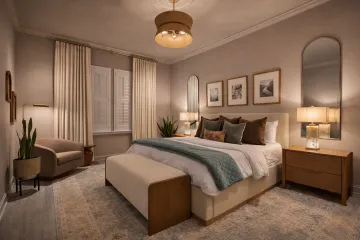
Hanging Decor and Vertical Interest
Hanging elements distinguish boho from other eclectic styles by creating atmosphere that literally surrounds you. These vertical layers make spaces feel more intimate and immersive rather than flat.
Effective hanging décor includes:
- Macramé wall hangings and plant hangers
- Hanging chairs and hammocks for unexpected seating
- Beaded, fringed, or basket chandeliers
- String lights for ambient glow
- Suspended shelves and floating elements
The psychological effect is significant—these layers draw the eye upward and create visual interest at multiple levels, making rooms feel complete from floor to ceiling.
Layered Textiles and Fabrics
The boho approach to textiles is all about abundance: layering rugs, mixing pillow patterns, draping throws, and using tapestries as wall art.
Successful layering requires mixing textures like velvet, leather, woven fabrics, shag rugs, and quilts to create depth.
Textile layering strategies include:
- Layer a patterned flat-weave rug over a larger neutral jute base
- Mix pillow patterns in varying scales while maintaining a common color thread
- Drape throws over furniture for casual elegance
- Incorporate global textiles like Cambodian Ikat, Central Asian Suzani, or Persian rugs as visual anchors
Artistic and Personal Touches
Boho spaces tell stories. Travel souvenirs, family heirlooms, flea market finds, and handmade items create the narrative depth that makes these interiors feel authentic rather than staged.
Creating personal layers involves:
- Build gallery walls that are intentionally "messy" and unstructured rather than perfectly aligned
- Display collections (vintage cameras, ceramic bowls, botanical prints) as décor
- Incorporate mirrors—both ornate antique and sleek modern—to reflect soft lighting
- Mix high and low: expensive art alongside thrift store treasures
The key is selecting items that genuinely resonate with you rather than buying "boho décor" in bulk from big-box stores.
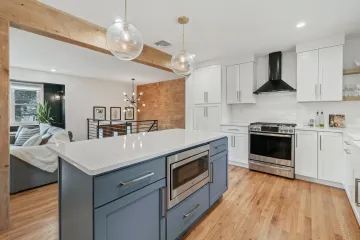
Architectural Elements That Enhance Boho Style
Beyond décor, structural features can elevate your boho design. Certain architectural elements naturally complement the aesthetic:
- Exposed wooden beams add rustic warmth
- Brick walls (natural or painted) provide textured backdrops
- Decorative tile introduces pattern and color
- Natural plaster textures create organic surfaces
Boho design is remarkably forgiving—it can incorporate "imperfect" elements like crumbling plaster or existing funky tile that other styles might require you to replace. These quirks add character rather than detracting from the overall aesthetic.
Boho Color Palettes and Patterns
Boho color approaches span a remarkable spectrum. You can create stunning boho spaces using all-neutral palettes with raw wood, black and white minimalist schemes, or vibrant maximalist combinations.
Think turquoise, chartreuse, coral, and mustard yellow for bold expressions.
Color palette guidelines:
- Most boho designs favor medium or raw/natural wood tones rather than dark stained or painted wood
- Earthy base tones (deep browns, greens, terracotta) provide grounding
- Jewel tone accents (deep purple, fiery orange, electric blue) add energy
- 2025 trends show a return to muted and earthy tones, moving away from highly saturated neon colors
Once you've established your color foundation, pattern layering brings the space to life.
Pattern Mixing Principles
Successful pattern mixing requires two key strategies: varying scale and maintaining color cohesion.
Apply these proven techniques:
- Use the "thread color" rule: Pick one or two hues that appear repeatedly in pillows, rugs, and wall art—this echo effect ties different patterns together
- Vary your scale: Combine large-scale rug patterns with smaller-scale pillow prints for visual balance
- Mix pattern types freely: Pair florals with geometrics, Ikat with Suzani, as long as your color palette remains unified
- Let one pattern dominate: Choose a hero pattern and use others as supporting accents
Essential Boho Furniture and Decor
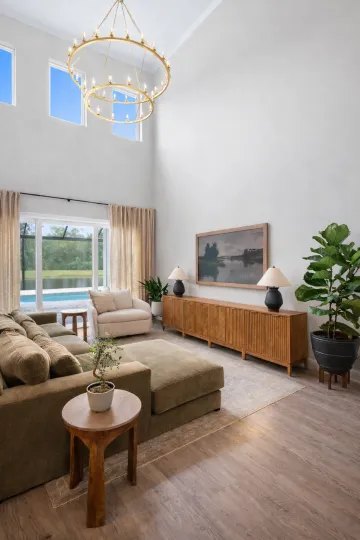
Boho furniture prioritizes the "sit and stay awhile" vibe, rejecting rigid formality for comfort and character.
Signature Furniture Pieces
Key furniture characteristics include:
- Low-slung sofas and floor cushions for casual lounging
- Carved wooden beds and tables with handcrafted details
- Cognac leather ottomans and seating
- Velvet upholstery in rich jewel tones
- Rattan chairs and woven furniture pieces
- Moroccan-style poufs and low tables
Layered Lighting Approach
Beyond furniture, lighting shapes the entire mood of a boho space. Replace harsh overhead fixtures with layered ambient lighting from floor lamps, table lamps, string lights, and candles.
Natural materials like rattan, bamboo, or woven grasses in fixtures diffuse light warmly, creating the calm, welcoming atmosphere essential to boho spaces.
The Vintage Advantage
Furniture you collect over time or source secondhand brings authenticity that new mass-produced pieces lack. Vintage items carry stories and patina that elevate the entire space.
Mix furniture styles and eras intentionally—a mid-century modern sideboard can sit beautifully beside a Moroccan carved table when unified by color or material.
Boho Style Variations: Finding Your Boho
Boho isn't one-size-fits-all. The style adapts to different personalities and preferences, from minimal and serene to vibrant and maximalist. Understanding these variations helps you identify which direction feels most authentic to your space.
Modern Minimalist Boho
This streamlined approach uses warm neutrals, cleaner lines, and fewer but more impactful pieces. It appeals to those who love boho warmth but prefer uncluttered spaces.
Key characteristics:
- Neutral color palette (whites, creams, natural woods)
- Focus on texture rather than color for visual interest
- Clean lines with organic materials
- Abundant negative space between elements
Colorful Maximalist Boho
The vibrant, pattern-rich approach embraces bold jewel tones, layered textiles, and abundant décor with a "more is more" philosophy.
What defines this look:
- Walls drenched in saturated colors
- Multiple layered rugs and textiles
- Dense collections of art and objects
- Repetition of colors and shapes to maintain cohesion
Southwestern Boho
This desert-inspired variation features terra cotta, turquoise, Native American textiles, and natural wood, incorporating regional craftsmanship and materials.
Signature elements include:
- Warm, earthy palettes (rust, terracotta, sand)
- Specific regional textiles and patterns
- Natural materials emphasizing desert aesthetics
- Handcrafted pottery and woven elements
How to Achieve Boho Style in Your Home
Start with a neutral base: Use neutral wall colors (creamy white or warm earth tones) and larger furniture pieces to provide flexibility for layering colorful and patterned elements. This foundation prevents the space from feeling overwhelming.
Shop secondhand and vintage: Authentic pieces with history and character create the collected-over-time aesthetic that defines genuine boho style. Flea markets, estate sales, and vintage shops offer unique finds you won't see in every other home.
Invest in quality natural materials: Prioritize real wood, genuine leather, and natural fiber rugs as foundational pieces. These materials are sustainable and timeless, outlasting trendy alternatives while developing beautiful patina over time.
Layer intentionally: Add rugs on rugs, mix pillow patterns, and incorporate throws, but edit as you go. Every layer should serve a purpose—adding texture, color, or comfort.
If you'd prefer professional guidance, Field Flower Collective offers personalized consultations to help identify your unique boho vision, discussing inspiration, needs, timeline, and budget.
The studio can create custom wallpaper and art pieces to ensure every element reflects your personal taste, moving beyond standard options to create truly individualized spaces.
Common Boho Design Mistakes to Avoid
Confusing Boho with Cluttered
Even eclectic spaces need editing and intentional placement. Without negative space, rooms feel chaotic rather than designed.
Apply these editing principles:
- Remove items that don't add beauty, function, or meaning
- Create breathing room between furniture groupings
- Display collections in curated vignettes rather than scattered placement
Using Only Mass-Produced "Boho" Décor
Rooms filled with big-box store items lack soul. The most inviting boho spaces blend handcrafted pieces with personal treasures.
Build authentic character by:
- Investing in fewer, quality pieces over inexpensive clutter
- Mixing vintage finds with new items
- Incorporating textiles from artisans or travels
Ignoring Scale and Proportion
Too many small items create visual noise. Mix sizes and heights deliberately—pair large statement pieces with medium and small elements to create balance and rhythm.
Professional designers at Field Flower Collective help clients avoid these common pitfalls by editing collections and balancing proportions to create cohesive, livable boho spaces.
Frequently Asked Questions
What is boho interior design?
Boho interior design originated among 19th-century Parisian artists and celebrates personal expression through eclectic patterns, natural materials (rattan, jute), layered textiles, and global influences. It follows a "no rules" philosophy that creates spaces feeling collected over time.
Is boho interior design still in style?
Yes, boho remains popular because it emphasizes timeless personal expression over fleeting trends. The style continues evolving with curated approaches and new variations like "Afrohemian," proving its adaptability.
What is the difference between boho interior design and Japandi?
Boho embraces maximalist layering, rich colors, and eclectic global influences with an energetic, expressive vibe. Japandi fuses Japanese minimalism with Scandinavian functionality, prioritizing simplicity, muted neutral palettes, and serene, decluttered spaces with refined rather than rustic materials.
Is there a difference between boho and bohemian interior design?
No, "boho" is simply the shortened, modern term for "bohemian" design. They refer to the same aesthetic rooted in artistic rebellion, natural materials, and free-spirited eclecticism that celebrates individuality over convention.
How can I make boho design work for a family home?
Choose durable materials like leather and tightly woven fabrics, use woven baskets for toy storage, and select washable textiles for high-traffic areas. Boho's relaxed nature naturally suits family life when you balance beauty with practicality.
What's the difference between boho and eclectic design?
While both mix styles and eras, boho specifically emphasizes natural materials, global cultural influences, and a laid-back artistic vibe with organic forms. Eclectic design is broader, methodically fusing diverse elements with cleaner lines and more structured approaches to mixing periods and styles.