Introduction: What is Boho Style?
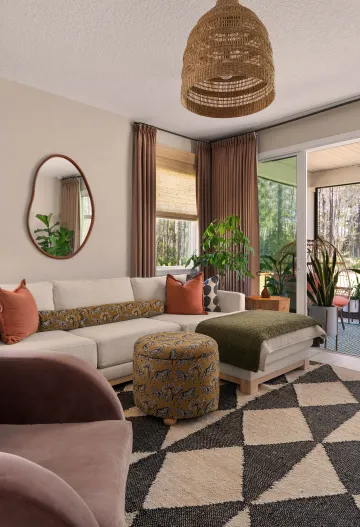
Picture walking into a room where a vintage Moroccan rug layers over natural jute, velvet pillows in jewel tones nestle against hand-woven textiles, and trailing pothos vines cascade from macramé hangers. The air feels warm, creative, and utterly personal—this is the sensory experience of authentic boho style.
Yet many homeowners struggle with creating spaces that feel collected and meaningful rather than catalog-perfect. Bohemian design offers a solution: an approach that celebrates personal expression, global influences, and the beauty of imperfection. This guide covers the definition and origins of boho style, essential design elements, color strategies, room-specific applications, and practical implementation tips for achieving authentic bohemian home decor that works for real life.
TLDR:
- Artistic expression meets personal storytelling through creative layering of patterns, textures, and global influences
- Layer textiles, add abundant plants, incorporate natural materials like rattan and bamboo, and mix in vintage handcrafted pieces
- Today's boho balances eclectic charm with sophisticated, intentional curation
- The style remains relevant in 2025, with Pinterest reporting a 220% increase in searches for boho-inspired spaces
- Success comes from intentional color palettes, purposeful pattern mixing, and editing to prevent clutter
What is Boho Style? Definition & Origins
Defining Bohemian Interior Design
"Boho" is short for bohemian, a design style characterized by artistic expression, eclectic layering, and a rejection of conventional design rules in favor of personal storytelling. Unlike styles bound by strict guidelines, boho celebrates individuality through mixing patterns, textures, cultures, and eras to create spaces that feel collected over time rather than purchased all at once.
The core philosophy centers on freedom from design conventions. There are no matching furniture sets, no requirement that metals coordinate, and no pressure to stick to a single aesthetic period.
Instead, boho spaces tell stories through travel souvenirs, family heirlooms, flea market finds, and handcrafted pieces that reflect your unique journey.
The Historical Roots of Bohemian Style
The bohemian aesthetic originated in 19th-century Paris, specifically within artist communities in neighborhoods like Montmartre. The term "bohemian" was initially applied to Romani people but was adopted by artists, writers, and musicians who rejected mainstream social norms.
These early bohemians lived in unconventional spaces filled with found objects, handmade crafts, and eclectic decor that reflected their rejection of traditional standards.
The style experienced a major resurgence during the 1960s-70s hippie counterculture movement. This era strengthened boho's connection to global influences as young people traveled and brought back textiles and artifacts from around the world. Beaded curtains, wall tapestries, and oversized floor cushions became defining features.
Modern boho has evolved from its "hippie" roots into a more refined aesthetic often called "boho chic" when paired with contemporary elements. Today's interpretation retains the free-spirited ethos but emphasizes intentional layering and sophisticated curation rather than simply accumulating items.
Boho vs. Other Design Styles
Understanding how boho differs from related styles helps you identify what makes it unique:
| Style | Key Characteristics | How Boho Differs |
|---|---|---|
| Minimalism | "Less is more" philosophy, clean lines, sparse decor | Embraces abundance and storytelling; 1stDibs data shows maximalism rose to 33% in 2025 |
| Scandinavian | Functionality, light, simplicity with neutral whites and grays | Celebrates global diversity with warm, eclectic layers of pattern and color |
| Farmhouse | Nostalgic American references, rustic simplicity, comfort | Artistic and free-flowing with global textiles and jewel tones |
Essential Elements of Bohemian Home Decor
Textiles, Textiles, Textiles
Textiles form the foundation of boho style. The key is layering—jute rugs topped with oriental or shag rugs, throw pillows in mixed patterns, tapestries, macramé wall hangings, and cozy blankets create depth and warmth.
Start with a neutral base rug (sisal or jute) to ground the space, then build from there:
- Layer a second rug with pattern or color on top
- Add throws and cushions in varied textures: velvet, linen, cotton, wool
- Include wall hangings or tapestries to extend textile interest vertically
- Mix patterns at different scales—large florals with small geometrics
When selecting textiles:
- Prioritize natural fibers over synthetics
- Seek handwoven pieces from artisans
- Source vintage textiles from thrift stores or estate sales
- Choose globally-inspired patterns (Moroccan, Indian block prints, tribal designs)
- Look for pieces with visible texture—fringe, embroidery, tassels
Natural Elements & Plants
Boho spaces embrace greenery as living decor. From hanging pothos and snake plants to large fiddle leaf figs, plants bring life, color, and texture to interiors.
Essential boho plants include Monstera Deliciosa for dramatic leaves, trailing Pothos for vertical interest, and cacti for textural contrast.
Plant placement tips:
- Cluster plants at different heights to create visual interest
- Use macramé hangers to use vertical space
- Place plants in woven baskets rather than plastic pots
- Create "jungle corners" by grouping 3-5 plants together
- Mix plant types—leafy, trailing, structural, flowering
Beyond plants, natural materials connect indoor spaces to the natural world. Rattan is a fast-growing, sustainable climbing palm that's flexible and durable, perfect for curved furniture.
Bamboo offers strength and rapid renewability. Raw wood, wicker, cane, and stone add organic texture throughout the space.
Vintage & Handcrafted Pieces
One-of-a-kind items prevent the "catalog showroom" look that undermines authentic boho style.
Vintage furniture, thrifted treasures, flea market finds, and handcrafted pieces add character and serve as conversation starters. These pieces function as storytelling elements:
- Travel souvenirs from Moroccan markets
- Family heirlooms passed down through generations
- Artisan crafts from different cultures
- Thrift store discoveries with history and patina
81% of designers reported sourcing vintage or antique items in 2024, reinforcing the style's reliance on unique, sustainable pieces.
Eclectic Furniture Mix
Boho furniture doesn't match in style, era, or finish. Cohesion comes from the overall color palette and intentional arrangement rather than coordinated sets.
Look for these furniture types when building your boho space:
- Carved wood pieces with intricate details
- Low-slung seating for relaxed, informal gatherings
- Floor cushions and poufs for flexible seating
- Rattan chairs and wicker accent pieces
- Velvet sofas in jewel tones or warm neutrals
- Leather accents in cognac or tan tones
The goal is a "collected over time" aesthetic where each piece has its own story but contributes to a harmonious whole.
Boho Color Palettes & Pattern Mixing
Color Approaches in Boho Design
Boho design embraces three distinct color directions, each setting a different mood for your space.
Warm neutrals with natural wood: Beige, cream, tan, and terracotta create a grounded, calming foundation. Pantone's 2025 Color of the Year, "Mocha Mousse," reflects this trend toward warming browns that promote comfort.
Jewel tones and vibrant pops: Emerald, ruby, sapphire, and mustard add depth and sophistication. These saturated colors energize spaces and create focal points when used as accents in rugs, pillows, and art.
Black and white with colorful accents: A neutral black-and-white base allows bold accent colors to shine without overwhelming the space.
Choosing your base palette:
- Start with 2-3 neutral base colors for walls and large furniture
- Layer in 3-5 accent colors through textiles, art, and accessories
- Follow the 60-30-10 rule: 60% dominant neutral, 30% secondary color, 10% bold accent
- Stick to a consistent temperature (all warm or all cool tones) for cohesion
Once you've established your color foundation, patterns bring the space to life.
The Art of Pattern Mixing
Boho embraces diverse pattern combinations. Intentional choices create visual harmony rather than chaos.
Pattern mixing framework:
- Mix scales: pair large florals with small geometrics
- Mix styles: combine tribal prints with modern abstracts
- Mix origins: blend Moroccan tiles with Indian block prints
- Use a unifying element: common color family, similar scale, or related theme
- Repeat colors or motifs across the room to create intentional unity
The key is maintaining some thread of connection—whether through color, scale, or theme—that ties diverse patterns together into a purposeful composition.
Architectural Elements & Finishes
Architectural choices enhance boho style's authentic, lived-in quality.
| Architectural Element | Visual Impact | Best Application |
|---|---|---|
| Exposed wooden beams | Natural warmth and texture | Living rooms, dining areas, vaulted ceilings |
| Brick walls (natural or painted) | Character and depth | Accent walls, loft spaces, kitchen backsplashes |
| Decorative tile (Mediterranean/Moroccan) | Colorful focal points | Bathroom floors, kitchen backsplashes, fireplace surrounds |
| Textured plaster walls | Organic, imperfect surfaces | Entryways, bedrooms, feature walls |
Imperfections add character rather than detracting from the aesthetic. Aged finishes work beautifully here. Distressed wood and "lived-in" surfaces contribute to the collected-over-time feeling that defines authentic boho spaces.
Room-by-Room Boho Design Guide
Boho Living Rooms
Transform your living room into an inviting, layered space:
- Combine a main sofa with floor cushions and poufs for flexible seating arrangements
- Mix eclectic art, varied-frame mirrors, and wall hangings on gallery walls
- Hang basket chandeliers, woven pendants, or string lights
- Group plants at different heights for natural texture
- Layer a large area rug with a smaller accent rug, then add throw pillows and textured blankets
Moving to more intimate spaces, bedrooms become personal sanctuaries with the right bohemian touches.
Boho Bedrooms
Essential elements for bohemian bedrooms:
- Use carved wood or canopy bed frames as focal points
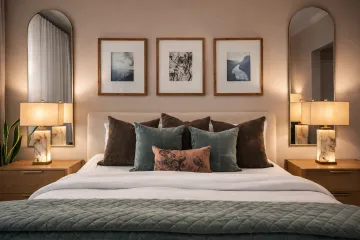
- Layer bedding with mixed patterns and textures—neutral duvet, patterned quilts, varied pillows
- Place different-style bedside tables on each side for character
- Add string lights, salt lamps, or woven pendants for soft mood lighting
- Display meaningful objects, books, and personal treasures
Bohemian style adapts beautifully for families with children, balancing aesthetics with everyday durability.
Family-Friendly Boho Spaces
Practical adjustments for family living:
- Choose durable, washable fabrics for high-traffic areas
- Select non-toxic plants safe for children and pets
- Use storage baskets in natural materials to maintain the aesthetic while hiding toys
- Opt for rounded furniture edges and stable pieces that won't tip
- Create dedicated play zones defined by area rugs
For St. Johns County families, Field Flower Collective brings fashion-industry expertise in textiles and pattern mixing to create bohemian spaces that balance visual interest with real-life durability.
How to Achieve Boho Style: Practical Tips
Starting Your Boho Journey
Step-by-step approach for beginners:
- Choose your color palette foundation: Decide between warm neutrals, jewel tones, or black-and-white with accents
- Invest in key anchor pieces: Start with a quality rug, comfortable sofa, or statement bed
- Layer in textiles and plants: Add throw pillows, blankets, curtains, and greenery
- Add personality through art and collections: Display meaningful objects, travel souvenirs, and vintage finds
Budget-friendly strategies:
You don't need unlimited funds to create an authentic boho space.
- Shop thrift stores and estate sales for unique furniture and decor
- Try DIY macramé projects for wall hangings and plant hangers
- Propagate plants from cuttings to expand your collection
- Mix high and low price points—invest in anchor pieces, save on accessories
- Give vintage finds new life with fresh paint or upholstery
Avoiding the "Cluttered" Look
Boho style celebrates abundance, but there's a fine line between eclectic and chaotic. Even maximalist spaces need breathing room and intentional curation.
Editing tips:
- Rotate collections seasonally to keep displays fresh
- Apply the "one in, one out" rule for new purchases
- Create focal points rather than spreading decor evenly throughout a room
- Group small items together to create single visual units
- Leave breathing room on shelves and walls—not every surface needs decoration
Field Flower Collective specializes in creating boho spaces that feel curated rather than chaotic. Drawing on fashion industry expertise in textiles and pattern mixing, the team helps clients balance bold elements with intentional editing—whether through custom wallpaper selections, furniture placement, or styling guidance.
When to Call in a Professional
A designer can help when you're struggling with specific challenges:
- Custom wallpaper selection that complements your overall aesthetic
- Furniture layout optimization for flow and functionality
- Color palette refinement to create cohesion across rooms
- Sourcing unique vintage and artisan pieces
Field Flower Collective brings fashion design experience to interior projects, particularly in textile selection and pattern coordination. Founder Margo Tomsey's background includes sourcing in global markets like Paris, Tokyo, and Berlin—experience that translates into helping St. Johns County clients create layered, well-traveled boho aesthetics without the clutter.
Frequently Asked Questions
What is boho style in home decor?
Boho style celebrates personal expression through mixed patterns, natural materials, vintage finds, and globally-inspired elements. The eclectic approach rejects conventional design rules, creating spaces that feel collected over time and reflect your unique story.
What are the rules for boho style?
Boho's main "rule" is that there are no strict rules—the style encourages personal storytelling over conventional guidelines. Maintaining some cohesion through a unifying color palette or theme prevents visual chaos while preserving authentic expression.
Is boho out of style in 2025?
No, boho remains relevant and continues to evolve. The style's emphasis on sustainability through vintage items, personalization, and natural materials keeps it current. Modern iterations blend boho with contemporary elements for fresh appeal.
What's the difference between boho and bohemian?
"Boho" is simply a shortened, casual term for "bohemian"—they refer to the same design style. "Boho chic" often describes a more refined, modern interpretation that pairs bohemian eclecticism with contemporary elements for a sophisticated look.
How can I make boho style work in a small space?
Emphasize vertical elements like hanging plants and wall tapestries to draw the eye upward, and use mirrors to expand the space visually. Choose multi-functional furniture and edit collections carefully—fewer, meaningful pieces create impact without overwhelming small rooms.
What are the most important elements to start with in boho design?
Start with layered rugs, abundant plants, and mixed textiles through pillows and throws. Natural wood furniture provides warmth, while one statement piece—a vintage chair, carved mirror, or tapestry—serves as your focal point.