Introduction
Tired of living rooms that feel stiff, staged, and impossible to relax in? Boho living rooms offer a refreshing alternative—spaces that prioritize warmth, personality, and genuine livability over rigid design rules. Many homeowners struggle with creating rooms that look pulled-together without feeling like museum displays where you're afraid to sit down.
Boho style is defined by layered textures, natural materials like rattan and jute, eclectic patterns, and global influences from Morocco to Indonesia. The key is avoiding cluttered chaos—authentic bohemian design isn't about throwing together random macramé and mismatched items.
Instead, it's the art of thoughtful curation. Think vintage finds paired with contemporary pieces, abundant greenery balanced with carefully chosen textiles, and personal treasures mixed with functional furniture. The goal is creating spaces that feel collected over time rather than bought in a single shopping trip.
Key Takeaways
- Mix natural materials (rattan, jute, wood) with layered textiles in earthy tones
- Emphasizes individuality through eclectic furniture, vintage finds, and plants
- Layer patterns, organic shapes, warm lighting, and global-inspired accents
- Highly customizable—small additions work without major renovations
- Adapts to any space size or budget
20+ Cozy Boho Living Room Ideas to Refresh Your Home
Layer Multiple Textiles for Depth
Textile layering creates the signature boho look that feels rich and inviting. Start with a neutral jute base rug, then overlay a patterned vintage kilim or colorful woven rug at an angle.
This foundation sets the tone for the entire room.
Build on this base with throw pillows in varied textures:
- Kilim pillows with geometric patterns
- Velvet cushions in jewel tones
- Linen covers in natural cream or ochre
- Woven textiles with fringe details
Balancing patterns: Start with a neutral base (cream sofa, natural fiber rug), then add 2-3 complementary patterns in similar color families. For example, pair a terracotta geometric pillow with a rust-toned floral throw and a cream textured blanket.
The shared warm palette creates cohesion despite different patterns.
Embrace Abundant Greenery
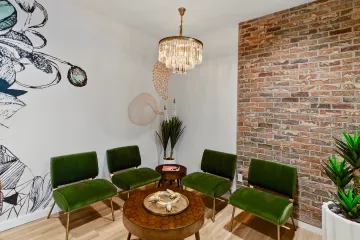
Plants are non-negotiable in boho spaces. They bring life, texture, and that essential connection to nature that defines the aesthetic.
Mix plant varieties and heights:
- Trailing pothos in macramé hangers near windows
- Large fiddle leaf figs or monstera in floor planters
- Small succulents clustered on coffee tables
- Hanging plants at different levels to create visual interest
Planter variety matters: Combine ceramic pots in earthy glazes, woven seagrass baskets, terracotta classics, and macramé plant hangers.
This eclectic mix reinforces the collected-over-time feel while adding dimensional texture to your space.
Create a Gallery Wall with Global Flair
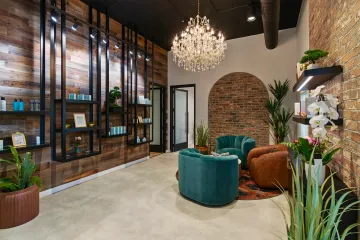
Gallery walls showcase your personality and travels while adding major visual impact. The key is thoughtful curation, not perfection.
What to include:
- Vintage paintings from flea markets
- Woven textiles or small rugs hung as art
- Tribal or folk art pieces
- Personal travel photography in mismatched frames
- Mirrors with ornate or natural wood frames
Layout strategy: Arrange pieces on the floor first, keeping roughly 3 inches between frames. Start with your largest piece slightly off-center, then build around it.
Mix frame styles (wood, brass, painted) and orientations (vertical, horizontal, square) for an authentic eclectic mix.
Incorporate Low-Profile, Floor-Level Seating
Low seating creates the relaxed, casual atmosphere that makes boho living rooms so inviting. This approach encourages lounging, conversation, and that laid-back vibe.
Seating options:
- Oversized floor cushions in rich fabrics
- Moroccan leather poufs clustered around a low coffee table
- Low-profile sofas with deep seats
- Daybed-style seating piled with pillows
This floor-level approach makes spaces feel larger while creating intimate conversation zones perfect for gathering.
Add Warmth with Layered Lighting
Harsh overhead lighting kills the cozy boho vibe instantly. Instead, create ambient warmth through multiple light sources at different heights.
Lighting layers to include:
- Moroccan pierced metal lanterns casting patterned shadows
- Rattan or woven pendant lights over seating areas
- Ceramic table lamps with warm bulbs (below 3000K)
- String lights draped along shelves or windows
- Floor lamps with fabric shades in corners
Pro tip: Avoid relying on a single overhead fixture. Distribute light sources throughout the room to create pools of warm illumination that make the space feel intimate and inviting, especially in the evening.
Mix Rattan and Natural Fiber Furniture
Natural materials are foundational to boho style, bringing organic texture and warmth that manufactured materials can't replicate.
Incorporate these elements:
- Rattan chairs or hanging egg chairs as statement pieces
- Bamboo side tables or plant stands
- Jute area rugs as neutral foundations
- Woven storage baskets for functionality
- Wood coffee tables with live edges or reclaimed finishes
Natural materials like rattan complement warm climates beautifully, though proper ventilation helps prevent moisture issues in humid environments.
Use Moroccan or Turkish Poufs as Accent Seating
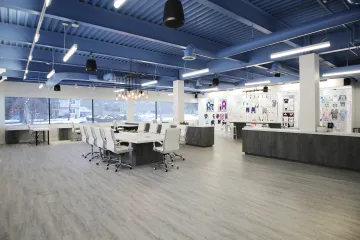
Colorful leather poufs are quintessentially boho—they're flexible, functional, and add instant character.
How to use poufs:
- Extra seating when guests arrive
- Footrests for sofas and chairs
- Decorative accents that add color pops
- Impromptu side tables with a tray on top
Choose poufs in rich colors like burnt orange, deep teal, or natural leather. Their rounded organic shape softens angular furniture and adds visual interest at floor level.
Install a Hanging Chair or Hammock
Nothing says relaxed boho living like a hanging chair swaying gently in the corner. Macramé or rattan hanging chairs create perfect reading nooks while adding playful, unexpected elements.
Placement considerations:
- Near windows with natural light
- In corners with floor space beneath
- Ensure proper ceiling support (consult a professional)
- Add a small side table and floor lamp nearby
Pile the chair with a cozy throw and patterned pillow to make it irresistible.
Choose a Statement Vintage or Live-Edge Coffee Table
Your coffee table anchors the living room and sets the tone for the entire space. Skip generic options in favor of pieces with character and history.
Look for:
- Live-edge wood slabs showing natural grain and imperfections
- Reclaimed wood tables with visible wear and patina
- Vintage trunks that double as storage
- Low wooden tables with carved details or unique shapes
These pieces become conversation starters while grounding your eclectic furniture arrangement.
Display Woven Baskets as Wall Art
Woven baskets add three-dimensional texture to walls while celebrating traditional craftsmanship from around the world.
Arrangement tips:
- Group 3-7 baskets in varied sizes
- Mix patterns (tightly woven, open weave, geometric designs)
- Choose a cohesive color story (all natural, or natural with one accent color)
- Hang in asymmetrical clusters rather than perfect grids
This approach creates visual interest without the cost of expensive art while honoring global textile traditions.
Incorporate Macramé Wall Hangings
When done tastefully, macramé adds softness and bohemian flair. The key word is tastefully—one oversized statement piece works better than multiple small ones.
Best placement:
- Above a sofa as a focal point
- Behind a bed in adjacent spaces
- On a large empty wall that needs texture
Choose pieces with interesting patterns and quality craftsmanship. Natural cotton in cream or ivory works in most spaces, while dyed versions add color.
Layer Window Treatments
Window layering adds depth and allows you to control light throughout the day while reinforcing the textile-rich boho aesthetic.
Layering approach:
- Sheer curtains closest to the window for filtered natural light
- Heavier textured drapes in complementary earthy tones as outer layer
- Natural fiber shades (bamboo or woven wood) underneath for privacy
This combination provides flexibility—sheers alone during the day, full drapes closed for movie nights or privacy.
Add Fringe Details
Fringe brings movement and bohemian character to textiles throughout your space.
Where to add fringe:
- Throw blanket edges draped over sofas
- Pillow trim in varied lengths
- Curtain hems that sway when windows are open
- Rug edges for added texture
Keep fringe details to 2-3 items in a room to avoid overwhelming the space.
Choose Warm, Earthy Paint Colors
Wall color creates the backdrop for everything else. Boho palettes favor warm, saturated earth tones over cool grays or stark whites.
Paint colors to consider:
- Terracotta or clay red for warmth and energy
- Warm cream or off-white as a neutral base
- Sage green for a grounding, natural feel
- Soft ochre or golden yellow for sun-soaked warmth
- Rust or burnt sienna as accent walls
These colors create cozy backdrops that make textiles and greenery pop while maintaining the warm, inviting atmosphere essential to boho style.
Mix Vintage and Modern Furniture
The eclectic, collected-over-time aesthetic comes from thoughtfully combining pieces from different eras and styles.
Mixing strategy:
- Pair a vintage wooden sideboard with a contemporary sofa
- Combine mid-century modern chairs with a rustic coffee table
- Mix antique mirrors with modern lighting
- Balance ornate vintage pieces with clean-lined contemporary furniture
This approach creates visual interest and tells a richer story than matching furniture sets ever could.
The key is finding common threads—similar wood tones, complementary colors, or shared textures—that tie disparate pieces together.
Use Colorful Patterned Area Rugs
Large, vibrant rugs anchor boho living rooms and tie together various design elements through their multiple colors.
Rug selection tips:
- Choose rugs with at least 3-4 colors that appear elsewhere in the room
- Persian, Turkish kilim, or Moroccan Beni Ourain styles work beautifully
- Layer a patterned rug over a larger natural fiber base for extra depth
- Ensure the rug is large enough--front furniture legs should rest on it
A well-chosen rug becomes the foundation that makes eclectic furniture arrangements feel cohesive rather than chaotic.
Create Cozy Reading Nooks
Dedicated cozy corners encourage relaxation and add intimate scale to larger living rooms.
Reading nook essentials:
- Floor cushions or a comfortable low chair
- Small side table for books and tea
- Warm task lighting (floor or table lamp)
- Potted plant for greenery
- Soft throw blanket within reach
Position your nook near a window for natural light during the day, or tuck it into a corner with layered lighting for evening reading.
Incorporate Global Textiles and Accessories
Beyond creating intimate corners, the objects you display tell your space's story. Collected items from travels (or pieces that look like treasured finds) add authenticity and personal narrative to boho spaces.
Global elements to display:
- Ceramic vases in varied shapes and glazes
- Tribal sculptures or carved wooden objects
- Kilim pillows with traditional patterns
- Handwoven textiles draped over furniture
- Brass or copper decorative objects
These pieces work best when they reflect genuine interest in other cultures rather than superficial decoration.
Thoughtfully display items, respecting their cultural significance and craftsmanship.
Add Metallic Accents
Warm metallics add subtle glamour without feeling too polished or formal.
Where to incorporate metallics:
- Brass or copper light fixtures and lamps
- Gold or bronze picture frames
- Hammered metal side tables or trays
- Antique brass candleholders
- Copper planters for greenery
Stick to warm metals (brass, copper, gold, bronze) rather than cool silvers, and let them develop natural patina for an authentic, lived-in look.
Use Natural Fiber Window Shades
Bamboo or woven wood shades filter light naturally while adding organic texture to windows.
Benefits:
- Filter harsh sunlight without blocking it completely
- Add horizontal texture that balances vertical drapes
- Work in Florida's bright climate to soften intense sun
- Provide privacy while maintaining natural feel
Pair these shades with curtains for a layered look, or use them alone for a cleaner, more minimalist boho aesthetic.
Display Books and Personal Collections
Bookshelves and coffee tables styled with personal items tell your unique story and make spaces feel genuinely lived-in.
Styling approach:
- Stack books horizontally and vertically for visual variety
- Intersperse books with small plants, ceramics, or collected objects
- Display favorite titles with covers facing out
- Group items in odd numbers (3 or 5) for pleasing composition
- Leave some breathing room—not every shelf needs to be full
This curated approach showcases personality while avoiding the cluttered pitfall.
Strategic restraint keeps your space feeling authentic rather than overwhelming.
Incorporate Southwestern or Desert-Inspired Elements
Southwestern influences bring a regional boho twist that works particularly well in warm climates like Florida.
Desert-inspired additions:
- Cacti and succulents in terracotta or ceramic planters
- Desert landscape photography or art
- Navajo or Southwestern geometric textiles
- Earthy color palettes featuring rust, sand, and sage
- Raw wood and leather furniture pieces
These elements complement Florida's warm climate and natural landscape while adding the earthy, nature-connected feel central to boho design.
How to Create a Boho Living Room
Start with a Neutral Foundation
The most sustainable approach to boho design begins with neutral walls and larger furniture pieces, then layers in color, pattern, and texture through easily changeable accessories. This foundation allows you to experiment without replacing expensive core pieces.
Foundation strategy:
- Paint walls in warm neutrals (cream, soft white, light terracotta)
- Choose a neutral sofa in linen, cotton, or performance fabric
- Select a large natural fiber rug as your base layer
- Invest in quality wood furniture pieces with longevity
You can then swap out pillows seasonally, rotate colorful textiles, and evolve your style as your tastes change.
Source Boho Pieces Affordably
Achieving the collected look doesn't require unlimited budgets—it requires patience and strategic sourcing. Focus your search on these key sources:
Where to find boho pieces:
- Thrift stores and estate sales for vintage furniture and unique accessories
- Online marketplaces for secondhand finds (inspect carefully for quality)
- Flea markets for global textiles, baskets, and decorative objects
- Local artisans for handmade ceramics and textiles
Spend more on your sofa, quality rugs, and solid wood furniture. Save on accessories, pillows, throws, and decorative items that you can easily change.
Quality checks for secondhand furniture:
- Look for solid wood construction with substantial weight
- Check joints for stability (dovetail joints indicate quality)
- Inspect upholstery for odors, stains, and structural soundness
- Verify that drawers and doors operate smoothly
Avoid the Cluttered Pitfall
Once you've sourced your pieces, the difference between curated boho and chaotic mess comes down to intentional editing. Apply these guidelines to keep your space feeling collected rather than cluttered:
Curation guidelines:
- Every piece should have purpose or personal meaning
- Leave negative space on walls and surfaces for the eye to rest
- Use storage baskets to corral smaller items like remotes and magazines
- Group accessories in odd numbers (3, 5, 7) rather than scattering them randomly
- Regularly reassess what's adding value versus creating visual noise
The goal is a space that feels layered and personal without overwhelming the senses. If a room feels chaotic, remove 20% of the accessories and see if it breathes better.
Conclusion
Boho living rooms succeed when they feel personal, comfortable, and reflective of your unique style rather than following rigid design formulas. The beauty of this aesthetic is its flexibility—there's no single "right" way to create a bohemian space.
Start small with one or two elements that speak to you:
- A vintage rug from a flea market that anchors the room
- A collection of plants in varied planters for natural texture
- Layered textiles on your sofa in complementary patterns
- Macramé wall hangings or woven baskets for dimension
Build from there, experimenting with what feels authentic rather than forcing every trend.
For homeowners in St. Johns County looking for expert guidance in creating a boho living room that balances style with family-friendly functionality, Field Flower Collective offers personalized design consultations that bring your vision to life while ensuring your space works for how you actually live.
Frequently Asked Questions
What defines a boho living room style?
Boho style features layered textures, natural materials like rattan and jute, eclectic patterns, and abundant plants in a relaxed aesthetic. It prioritizes comfort and personal expression over matching furniture sets.
What colors work best for a boho living room?
Boho palettes feature warm, earthy tones like terracotta, ochre, sage green, rust, and warm creams, often combined with rich jewel tones. The key is deeply saturated colors rather than bright shades.
How do I make my living room look boho on a budget?
Shop thrift stores and flea markets for vintage furniture, create DIY macramé wall hangings, and layer budget-friendly textiles. Focus spending on one or two statement pieces and fill in with plants and accessories you already own.
Can boho style work in a small living room?
Boho works beautifully in small spaces when edited thoughtfully. Focus on fewer impactful pieces, use vertical space for plants and art, choose low-profile furniture to make ceilings feel higher, and stick to a cohesive color palette to avoid visual clutter.
What's the difference between boho and bohemian chic?
"Boho" and "bohemian" are often used interchangeably to describe the eclectic, free-spirited aesthetic. "Bohemian chic" or "boho chic" typically refers to a more refined, elevated version that incorporates bohemian elements with cleaner lines, more polished finishes, and a more neutral palette for a sophisticated look.
How do I keep a boho living room from looking cluttered?
Edit ruthlessly so each piece has purpose, use storage baskets for organization, and create visual breaks with neutral spaces between accessories. Display items in odd-numbered groupings and leave some surfaces empty.