Understanding different interior design styles empowers you to articulate your vision clearly, communicate effectively with designers, and make confident decorating decisions that result in spaces you'll genuinely love. Whether you're working with a design professional like Field Flower Collective or tackling a DIY refresh, knowing the language of design transforms vague Pinterest boards into actionable plans.
Key Takeaways
- Each style uses specific colors, materials, and furniture shapes to create a distinct look
- Most successful homes blend 2-3 complementary styles rather than following one rigidly
- Know the fundamentals to identify what fits your lifestyle
- The "right" style balances visual appeal with how you actually live in your space
- From timeless Traditional to trending Japandi, there are 30+ recognized styles to explore
What Are Interior Design Styles?
Interior design styles are unified visual approaches that combine specific elements—color, texture, furniture silhouettes, patterns, and materials—to create a recognizable aesthetic mood.
According to the International Interior Design Association, interior design is the practice of creating environments that address, protect, and enhance the human experience within built spaces. But with dozens of named styles, how do you make sense of them all?
These styles often emerge from three primary sources:
- Historical periods: Art Deco from the 1920s-1930s, Midcentury Modern from the 1940s-1960s
- Geographic regions: Scandinavian design shaped by Nordic climates, Mediterranean influenced by Southern European architecture
- Design philosophies: Minimalism rooted in Zen Buddhism and Bauhaus principles, Maximalism embracing abundance
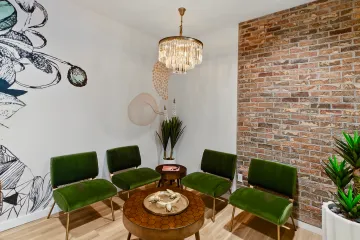
Understanding where styles come from helps you grasp why certain elements naturally belong together—and more importantly, how to adapt them authentically to your own space rather than copying them wholesale.
30 Interior Design Styles You Need to Know
Choosing an interior design style can feel overwhelming—scrolling through endless Pinterest boards rarely clarifies which aesthetic truly fits your lifestyle. Whether you're redesigning a single room or transforming your entire home, understanding the distinctions between design styles helps you articulate your vision and make confident decisions.
These 30 styles represent the most influential aesthetics in residential design today, from enduring classics to emerging trends. Each offers a distinct approach to creating beautiful, functional spaces that reflect different personalities, lifestyles, and cultural influences.
Timeless Traditional Styles
Classic styles rooted in European heritage and historical periods offer formal elegance and established sophistication.
Traditional
Characterized by: Classic European influences, rich wood tones (cherry, walnut), ornate details, symmetry, layered textiles in damask/toile/florals, formal furniture arrangements
Traditional design draws from 18th and 19th-century European decor, particularly English and French interiors.
Expect wingback chairs, crystal chandeliers, and carefully curated antiques that create rooms with established elegance.
Best for: Those who appreciate timeless sophistication, heirloom pieces, and rooms that feel polished and permanent
Victorian
Characterized by: Ornate details, dark woods, heavy drapery, patterned wallpaper, tufted furniture, elaborate layered aesthetic from the 19th century
Victorian design is known for opulence, bold jewel tones, heavy fabrics (velvet, brocade), and intricate woodwork that creates dramatic, richly detailed interiors.
Best for: Those with historic homes or anyone drawn to romantic, richly detailed, dramatic interiors
French Country
Characterized by: Rustic and refined with toile fabrics, distressed furniture, soft colors, ornate details, natural materials, Provençal-inspired warmth
French Country blends 18th-century French estate aesthetics with muted colors (creams, yellows), natural materials, and distressed vintage furniture.
Best for: Romantics who appreciate European countryside charm and want spaces that feel both elegant and lived-in
English Country
Characterized by: Floral chintz, layered textiles, rich wood furniture, botanical prints, cozy nooks, garden-inspired elements for cottage charm
English Country embraces traditional British countryside aesthetics with floral patterns, layered fabrics, and rooms that feel like welcoming country estates.
Best for: Those who love traditional British aesthetics and want rooms that feel like cozy country retreats
Modern & Minimalist Approaches
Contemporary styles emphasizing clean lines, functionality, and intentional simplicity.
Modern
Characterized by: Clean lines, minimal ornamentation, neutral palettes, emphasis on function, materials like steel/glass/concrete from early-to-mid 20th century
A critical distinction: Modern refers to a specific historical period, not just "current" design.
Modern design features earthy palettes, natural materials like wood and leather, and streamlined silhouettes influenced by Bauhaus and Scandinavian movements.
Best for: Those who prefer uncluttered spaces with strong architectural elements and a "less is more" philosophy
Contemporary
Characterized by: Current design trends, fluid curved lines, mix of textures, neutral base with bold accent colors, emphasis on natural light and open space
Unlike Modern, Contemporary is fluid and evolving—what's contemporary today will change in a decade.
It reflects the present moment with stark minimalism and mixed metals.
Best for: Those wanting a fresh, of-the-moment aesthetic that evolves with trends while remaining sophisticated
Transitional
Characterized by: Bridges Traditional and Contemporary through classic furniture silhouettes with modern finishes, neutral palettes, balanced proportions, comfortable elegance
Transitional design offers the best of both worlds—neither too formal nor too casual.
It's currently one of the most popular residential styles because it creates timeless appeal with updated sensibility. At Field Flower Collective, this approach resonates with families seeking elevated design that feels refined but livable—spaces that balance luxury with the practical demands of everyday family life.
Best for: Those wanting elegance without stuffiness, and modernity without starkness
Minimalist
Characterized by: Strips design to essentials with monochromatic palettes, clean lines, hidden storage, negative space, quality over quantity, "less is more" restraint
Minimalism values simplicity and the essential, creating serene environments through intentional reduction and careful editing.
Best for: Those who find peace in simplicity, dislike visual clutter, and want meditation-like environments
Scandinavian
Characterized by: Functionality, simplicity, natural materials like light woods and wool, white/cream palettes with soft gray accents, cozy hygge elements
Emerging in the 1930s, Scandinavian design maximizes light in northern climates through pale woods (birch, pine) and clean lines.
The focus on comfort without clutter makes it ideal for family-friendly spaces that remain visually calm.
Best for: Those who value minimalism without starkness and want bright, airy spaces that feel warm and inviting
Japandi
Characterized by: Fuses Japanese and Scandinavian design through natural materials, neutral palettes, low-profile furniture, clean lines, wabi-sabi appreciation for imperfection
Emerging around 2016, Japandi combines Japanese rustic minimalism with Scandinavian functionality, using darker neutrals than pure Scandi and intentional decor.
Best for: Those wanting minimalism with warmth and spaces that feel zen-like yet inviting
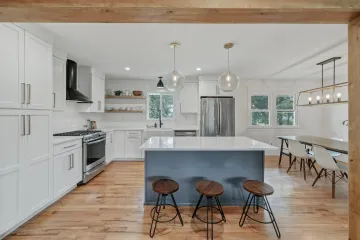
Asian Zen
Characterized by: Tranquil spaces through low furniture, natural materials, neutral palettes, minimal decoration, shoji screens, feng shui principles
Rooted in Buddhist philosophy, Zen design emphasizes simplicity, natural materials (bamboo, paper), and asymmetry to create meditative spaces.
Best for: Those seeking calm, meditative environments and spaces designed to reduce stress and promote mindfulness
Midcentury & Retro Revival
Styles celebrating 20th-century design movements with enduring appeal.
Midcentury Modern
Characterized by: Organic curves, tapered legs, warm wood tones (teak, rosewood), bold geometric patterns, statement lighting, indoor-outdoor living from 1940s-1960s
This style celebrated functionality and democratic design, making beautiful furniture accessible.
Think Eames chairs, sunburst clocks, and low-profile credenzas.
Best for: Those drawn to retro-inspired pieces with clean lines and the optimistic aesthetic of postwar American design
Art Deco
Characterized by: 1920s-1930s glamour through geometric patterns, rich jewel tones, lacquered finishes, mirrored surfaces, metallic accents, luxurious materials
Art Deco originated in France and flourished in the US, symbolizing modernity and glamour through zigzags, chevrons, and opulent materials like chrome and mirror.
Best for: Those drawn to vintage Hollywood glamour, bold symmetry, and spaces that feel sophisticated and slightly theatrical
Hollywood Regency
Characterized by: Old Hollywood opulence with high-gloss finishes, bold colors, Greek key patterns, lucite furniture, plush velvet, dramatic lighting
Hollywood Regency channels vintage Hollywood excess with unapologetically glamorous, over-the-top interiors that make dramatic statements.
Best for: Those who love glamorous, theatrical interiors and aren't shy about bold design statements
Rustic & Regional Character
Styles inspired by specific geographic regions and rural traditions.
Farmhouse
Characterized by: Shiplap, barn doors, apron-front sinks, open shelving, vintage accessories, neutral palettes, rustic wood elements for cozy rural charm
Inspired by 17th-century European farm dwellings, farmhouse style prioritizes practicality and comfort.
Wood, stone, and vintage furnishings create nostalgic countryside appeal.
Best for: Those wanting casual, family-friendly spaces with rustic, lived-in charm
Modern Farmhouse
Characterized by: Blends farmhouse warmth with contemporary clean lines through white/black/wood palettes, mixed metals, sleeker furniture silhouettes, less clutter
Popularized after 2013 (notably by Joanna Gaines), Modern Farmhouse updates rustic elements with modern amenities.
The aesthetic is more refined than traditional farmhouse while maintaining its cozy appeal.
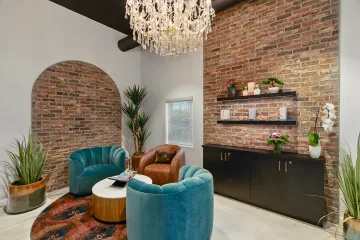
Best for: Those who love farmhouse coziness but want a more polished, current interpretation
Rustic
Characterized by: Raw natural materials like reclaimed wood/stone/leather with rough-hewn textures, earthy colors, handcrafted elements
Rustic design celebrates rugged natural beauty through raw wood, stone fireplaces, and a lack of modern polish that connects spaces to nature.
Best for: Those wanting spaces that feel connected to nature and appreciate the beauty of imperfect, organic materials
Cottage
Characterized by: Cozy informal spaces with floral patterns, vintage furniture, soft colors, quilts, charming lived-in comfort
Cottage style offers unpretentious comfort through floral patterns, vintage pieces, and soft colors that prioritize coziness over formality.
Best for: Those wanting comfortable homes that prioritize coziness over formality
Shabby Chic
Characterized by: Distressed painted furniture, soft pastels, vintage linens, romantic details, flea market finds, feminine cottage-inspired softness
Popularized in the late 1980s by Rachel Ashwell, Shabby Chic features distressed white furniture, floral prints, and soft romantic vintage aesthetics.
Best for: Those drawn to vintage charm, feminine aesthetics, and the appeal of beautifully worn pieces
Craftsman
Characterized by: Quality craftsmanship through built-in furniture, exposed beams, handcrafted details, natural materials, Arts and Crafts movement principles
Emerging in the late 19th century as a reaction to industrialization, Craftsman style emphasizes hand-crafted quality, natural materials, and honest forms.
Best for: Those with bungalow-style homes or anyone who appreciates handmade quality and architectural integrity
Southwestern
Characterized by: Native American and Spanish influences through terra-cotta, turquoise accents, carved wood, woven textiles, desert-inspired palettes
Southwestern design fuses indigenous and Spanish Colonial elements with adobe, warm desert tones (sage, sunset orange), and indigenous patterns.
Best for: Those in arid climates or anyone drawn to the warm, earthy aesthetic of the American Southwest
Coastal & Tropical Escapes
Styles evoking vacation destinations and waterfront living.
Coastal
Characterized by: Blue and white color schemes, natural textures like jute and rattan, light woods, nautical elements, airy fabrics that evoke seaside living
Coastal design draws from sand, sea, sky, and sun-bleached driftwood to create relaxed, breezy interiors.
These spaces feel like permanent vacation homes with their light, airy aesthetic.
Best for: Those wanting beach-inspired spaces that feel relaxed and vacation-like year-round
California Coastal
Characterized by: Elevated coastal with organic neutrals, pale blushes, natural linen, weathered leather, artisanal ceramics, desert-meets-ocean aesthetic
California Coastal blends quiet luxury with rustic elements.
It focuses on indoor-outdoor living and natural textures rather than nautical themes.
Best for: Those wanting sophisticated coastal style with bohemian influences and a sun-bleached, effortlessly chic vibe
Mediterranean
Characterized by: Spanish/Italian/Greek influences with terra-cotta, wrought iron, arched doorways, ornate tile work, warm earth tones, textured plaster walls
Mediterranean design reflects Southern European architecture with stucco walls and red terracotta roofs.
The color palette mirrors the sea and earth, creating warm, inviting spaces.
Best for: Those who love Old World romance, handcrafted details, and the warmth of sun-drenched European villas
Tropical
Characterized by: Paradise indoors with palm prints, bamboo, rattan, bright colors, botanical patterns, natural textures that evoke island living
Tropical design brings vacation vibes home through lush patterns, natural materials, and bright colors that create perpetual island atmospheres.
Best for: Those in warm climates or anyone wanting to create a perpetual vacation atmosphere
Urban & Industrial Edge
Styles celebrating raw materials and city loft aesthetics.
Industrial
Characterized by: Exposed brick, concrete, metal fixtures, reclaimed wood, open ductwork, utilitarian furniture, raw unfinished materials inspired by converted warehouses
Industrial design celebrates the beauty of raw materials and structural elements typically hidden.
It's edgy, urban, and unapologetically rough around the edges.
Best for: Urban dwellers and those who appreciate warehouse-loft aesthetics with slightly rugged character
Maximalist & Eclectic Expression
Styles embracing bold personality, pattern mixing, and curated collections.
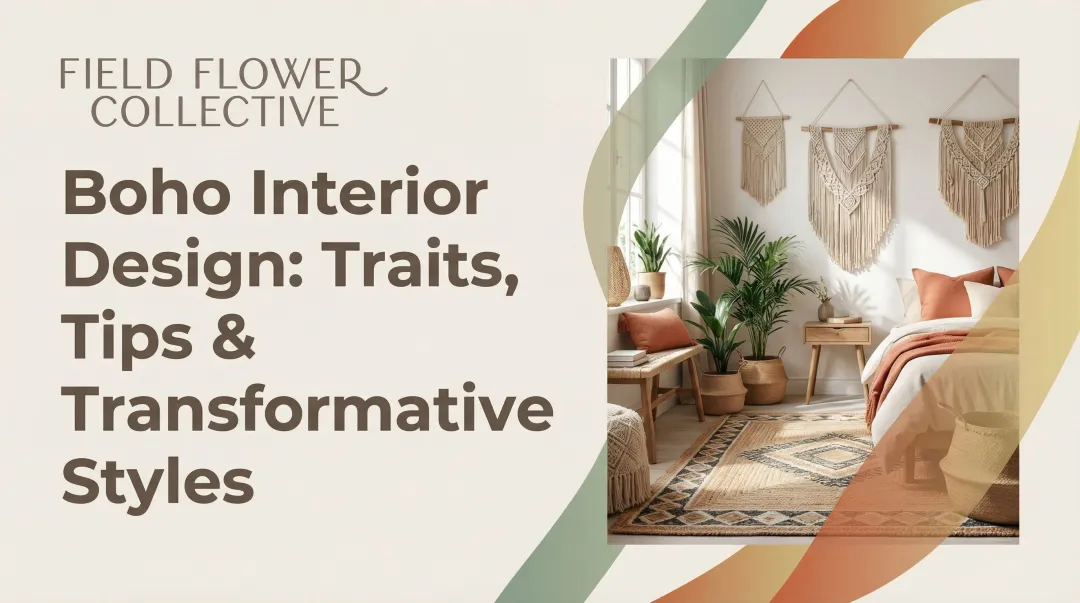
Bohemian
Characterized by: Global influences, layered textiles, vibrant colors, mixed patterns, plants, vintage finds, eclectic collected-over-time aesthetic
Bohemian design is free-spirited and rule-breaking, mixing global textiles, saturated colors, and diverse objects without strict formulas.
Best for: Free spirits who embrace maximalism, love to travel, and want homes that tell personal stories through diverse objects
Eclectic
Characterized by: Artfully mixes styles, eras, and influences with intention, using color/scale/material as unifying threads to create cohesive spaces from diverse elements
Eclectic design is deliberate curation rather than random collection. It's less about a specific "look" and more about thoughtfully combining diverse elements through shared color or texture.
Drawing from decades in the fashion industry, the designers at Field Flower Collective excel at this approach—blending textures, patterns, and periods with the same eye for detail they once applied to textile selection and merchandising.
Best for: Creative individuals who resist single-style labels and want rooms reflecting multifaceted personalities
Maximalist
Characterized by: Embraces "more is more" with bold colors, pattern mixing, gallery walls, collected objects, rich textures, layered personality-packed spaces
Maximalism celebrates abundance through bold colors, layered patterns, and curated collections that express personality without restraint.
Best for: Confident decorators who love abundance, aren't afraid of color, and want homes that make bold statements
Glam
Characterized by: Luxury through metallic finishes, plush textures like velvet and fur, crystal chandeliers, mirrored surfaces, unapologetically opulent details
Glam design delivers sparkle and luxury through high-shine finishes, sumptuous textures, and details that feel like high-end boutique hotels.
Best for: Those who love sparkle, luxury, and spaces that feel glamorous and indulgent
How to Choose Your Interior Design Style
Start by creating a visual inspiration board using Pinterest or magazine clippings. Look for patterns in the images that repeatedly catch your eye—specific color combinations, furniture shapes, textures, or overall moods. These recurring elements reveal your authentic style preferences more accurately than any quiz.
Your lifestyle should drive your choices. Families with young children may gravitate toward durable, casual styles like Modern Farmhouse or Coastal that can withstand daily wear. Empty nesters might embrace more formal Traditional or delicate Shabby Chic.
Design your home around how you actually live, not how you wish you lived.
Your home's architecture provides natural design direction:
- Craftsman style works beautifully in bungalows
- Mediterranean suits Spanish Colonial homes
- Mid-Century Modern complements ranch-style layouts
- Traditional pairs well with colonial architecture
Fighting your home's inherent character creates visual conflict rather than harmony.
Most successful homes blend 2-3 complementary styles rather than adhering rigidly to one. A designer can help identify which combinations create cohesive spaces that reflect your lifestyle while maintaining visual harmony.
How to Successfully Mix Interior Design Styles
Start with a dominant style that comprises 60-70% of your room to provide visual stability. Layer in accent styles through smaller pieces, textiles, or accessories. This 80/20 or 70-20-10 approach maintains cohesion while adding personality.
Balance proportions intentionally:
- 60-70% dominant style (major furniture, wall treatments)
- 20-30% secondary style (accent chairs, lighting, rugs)
- 10% tertiary style (artwork, accessories, textiles)
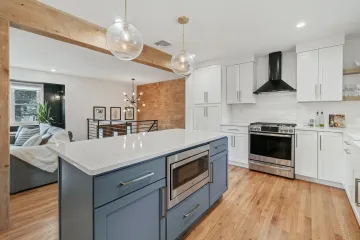
Color acts as the unifying thread that holds mixed-style spaces together. Even dramatically different furniture styles feel harmonious when they share a consistent color story.
Apply the same proportional thinking to your palette: 70% dominant colors (often neutrals) and 30% accent colors that appear across both style groups.
Frequently Asked Questions
What are the different types of interior design styles?
There are 30+ recognized interior design styles, each with distinct characteristics in color palettes, materials, furniture silhouettes, and overall mood. These range from classic styles like Traditional and Modern to trending aesthetics like Japandi and California Coastal.
What are the 7 basics of interior design?
The seven fundamental principles are balance, rhythm, emphasis, proportion and scale, movement, contrast, and unity. These apply across all styles to create harmonious, functional spaces with visual interest and cohesive design flow.
What's the difference between modern and contemporary interior design?
Modern refers to a specific historical period (early-to-mid 20th century) with defined characteristics like earthy palettes and clean lines. Contemporary reflects current design trends that evolve over time—Modern is static, Contemporary is fluid.
Can I mix different interior design styles in my home?
Yes—mixing styles creates personality and visual interest. Successful blending requires a unifying element like a consistent color palette. The 80/20 rule works well: 80% dominant style with 20% secondary style for contrast.
How do I transition between different interior design styles in different rooms?
Maintain a consistent color palette across rooms and repeat key materials or finishes. Ensure adjacent spaces share at least one design element to create flow while allowing each room its own personality.