Key Takeaways
- Color-drenching in moody hues (oxblood, forest green, terracotta) replaces stark whites
- Natural materials (wood, stone, woven fibers) drive wellness-focused interiors
- Maximalism makes a comeback: bookshelf wealth, pattern drenching, curated collections
- Hybrid work demands drive shift from open-concept to defined, acoustically private rooms
- Custom wallpaper and hand-stenciled finishes answer demand for artisanal authenticity
Moody, Saturated Color Palettes
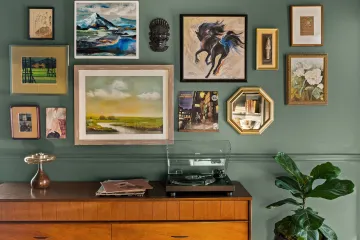
The all-white and cool-gray interiors of the early 2020s are giving way to deep, grounded colors that wrap spaces in intimacy and sophistication. Oxblood, forest green, navy, and terracotta dominate 2025's palette, with homeowners using these hues not just as accents but as foundational elements across walls, cabinetry, and millwork.
The Psychology of Deep Colors
These saturated tones create cocoon-like environments that feel emotionally durable in uncertain times. Rather than the sterile feel of white boxes, moody colors reduce visual noise and provide a sense of permanence and grounding.
The 2025 Interior Design & Color Trends Report found that 49% of experts cite warm neutrals and 48% cite dark, earthy greens as top homeowner choices.
Color of the Year Selections
Major paint manufacturers aligned around warmer, darker tones for 2025:
- Pantone's Mocha Mousse: A warming chocolate brown suggesting "thoughtful indulgence"
- Benjamin Moore's Cinnamon Slate: A heathered plum-brown balancing comfort with modernity
- Sherwin-Williams' Grounded: A versatile brown with red undertones designed to "envelop spaces"
- Behr's Rumors: A deep ruby red adding luxury and warmth
Application Strategies
Color drenching (painting walls, trim, and ceilings in a single saturated hue) has emerged as the primary technique. This approach creates visual continuity and makes rooms feel larger rather than smaller, surprisingly.
Applications include:
- Entire rooms painted in deep navy or forest green for dramatic impact
- Kitchen cabinetry in rich terracotta or oxblood paired with natural stone
- Saturated millwork and trim that blend seamlessly with walls
Why This Trend Endures
Moody colors work across design styles—modern, traditional, eclectic—and can be adapted to any budget through paint, textiles, or accessories.
They provide a sophisticated backdrop that allows furniture and art to shine while creating the intimate atmosphere today's homeowners crave.
Textural Layering with Natural Materials
Texture has become as critical as color in 2025 design. The flat, uniform finishes of minimalism are being replaced by tactile, organic materials that engage multiple senses and improve occupant well-being.
Defining Textural Layering
This approach combines multiple surfaces within a single space: rough stone countertops, smooth reclaimed wood floors, woven jute rugs, bouclé upholstery, and linen drapery.
The interplay creates visual depth and sensory richness that makes spaces feel lived-in and authentic.
Materials Driving the Trend
Key materials for 2025:
- Organic stone with bold veining (marble, quartzite, travertine)
- Reclaimed or deeply stained woods with visible grain
- Bouclé and linen upholstery that invite touch
- Jute, wool, and sisal rugs that add warmth underfoot
- Handwoven textiles and artisan-crafted ceramics
Biophilic Design and Wellness
Natural materials do more than look beautiful—they measurably improve well-being. Terrapin Bright Green research on biophilic design shows that wood surfaces in interiors provide physiological benefits, including stress reduction and improved focus.
Studies indicate a 28-percentage point increase in employee satisfaction and a 10-point productivity boost in spaces that achieve WELL certification, which prioritizes natural materials.
Sustainability and Longevity
More homeowners now value materials with authentic patina that age gracefully rather than mass-produced finishes that wear out quickly. The handmade wallpaper market, utilizing natural fibers like jute and grasscloth, is projected to grow from $2.5 billion in 2024 to $3.5 billion by 2032.
Why this matters for your home:
- Natural materials develop character over time rather than showing damage
- Eco-friendly options align with sustainable living values
- Authentic textures create spaces that feel elevated but livable
- Handcrafted elements add distinctive personality mass-produced items can't match
This shift reflects the desire for "lived-in luxury"—spaces that feel refined but not sterile, where natural wear adds beauty rather than diminishing value.
Maximalism: Intentional Clutter, Bookshelf Wealth, and Pattern Drenching
Minimalism's reign has ended. The maximalist movement of 2025 celebrates personal collections, abundant décor, and layered patterns—a rebellion against the "less is more" mantra that left many homes feeling impersonal and cold.
Three Expressions of Maximalism
Intentional Clutter This approach transforms styled surfaces into curated galleries. Books, candles, ceramics, and personal objects create visual interest while telling your story.
Unlike true clutter, every item has purpose and placement. Cohesive color palettes tie collections together, creating harmony amid abundance.
Bookshelf Wealth Floor-to-ceiling libraries now serve as conversation starters and design anchors. The "bookshelf wealth" trend has garnered over 8 million views on TikTok, celebrating homes that look cultivated over time rather than staged for resale.
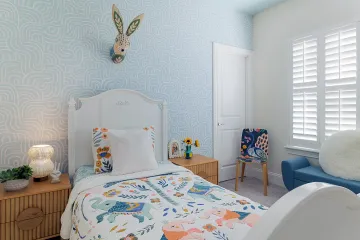
Pattern Drenching Similar to color drenching, this technique wraps rooms in bold motifs or layers multiple complementary patterns across walls, textiles, and upholstery. Powder rooms and smaller spaces often feature wallpaper on both walls and ceilings for a jewel-box effect.
Social Media Momentum
These maximalist approaches aren't just designer concepts—they're driving massive consumer interest:
- Pinterest reports searches for "eclectic maximalism" jumped +215% year-over-year
- "Vintage maximalism" searches rose +260% on the same platform
- Etsy saw a +351% spike in searches for "cozy home items"
- "Colorful rugs" searches increased +50%, signaling a move toward warmth and texture
Family-Friendly Maximalism
For families, maximalism accommodates real life—toys, books, hobbies—without sacrificing style. The key is curated chaos: every layer should feel intentional rather than messy.
Field Flower Collective's design approach embraces this balance. With fashion-industry backgrounds in textiles and layering, the team creates spaces where visual abundance meets functional organization—perfect for families who want both beauty and livability.
Defined, Intimate Spaces Over Open-Concept Layouts
The open-concept floor plan, once the gold standard, is being reconsidered as homeowners prioritize acoustic privacy, visual separation, and purpose-driven rooms.
The Shift Away from Open Plans
According to Realtor.com's 2025 trends report, the "home office/Zoom room" feature grew by 56.5% in listings compared to the previous year.
With 32.6 million Americans (22% of the workforce) working remotely and 83% of global employees preferring hybrid models, the need for dedicated, enclosed work zones has reshaped layout preferences.
Benefits of Defined Spaces
Key advantages:
- Better sound control for video calls and focused work
- Visual privacy when multiple activities happen at once
- Creates varied moods and atmospheres in different zones
- Simplifies temperature control and improves energy efficiency
- Delivers a stronger sense of coziness and intimacy
Design Solutions
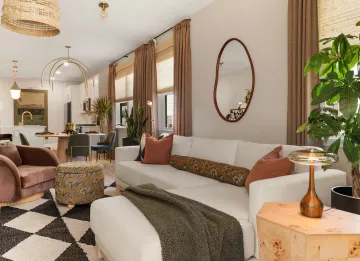
To achieve these benefits without losing openness entirely, designers use pocket doors, archways, built-in room dividers, and cozy nooks to create flexible separation. This hybrid approach allows spaces to connect for entertaining but close off for work or quiet time.
The "Cozymaxxing" Connection
Smaller, well-defined rooms feel more intimate and easier to personalize than vast open spaces. This aligns with the "cozymaxxing" trend—creating maximum comfort through intentional boundaries and layered textiles.
Artisanal and Custom Elements
In an age of AI and mass production, homeowners are craving the human touch and authenticity of handcrafted design. Custom wallpaper, hand stenciling, bespoke art pieces, and artisan-crafted furniture are experiencing renewed demand.
The Handmade Boom
Market data confirms this shift:
- Etsy reports a 141% increase in searches for custom personalized items
- Venue illustration searches grew 146%, reflecting the desire for highly personalized art
- The global handmade wallpaper market is expanding at a CAGR of 5%, with custom-designed and hand-painted segments leading growth
These numbers reveal a deeper shift. After years of algorithm-driven design and AI-generated content, consumers are seeking soul and authenticity in their environments.
Handcrafted elements cannot be replicated by machines, making them inherently valuable and unique.
Opportunities for Design Studios
This trend creates clear differentiation opportunities for design studios. High-end residential projects increasingly feature custom murals and hand-stenciled finishes that add personality impossible to achieve with off-the-shelf products.
Field Flower Collective leverages this shift by offering custom-made wallpaper and art pieces tailored to each client's taste, bringing the authenticity homeowners now crave.
What's Driving These Interior Design Trends
Three primary forces are reshaping the interior design landscape in 2025, supported by measurable data and shifting consumer behavior.
Post-Pandemic Lifestyle Shifts
More time spent at home has elevated the importance of comfort, functionality, and spaces that support work, family, and leisure under one roof. With home turnover hitting a 30-year low (28 out of every 1,000 homes), homeowners are renovating existing spaces rather than moving.
This shift has created:
- Longer design timelines as homeowners invest in custom elements
- Higher budgets for quality materials and finishes
- Preference for designers who blend aesthetics with livability
Sustainability and Conscious Consumption
Homeowners prioritize quality over quantity, investing in natural materials and timeless pieces that reduce waste. 43% of designers report that their projects now have explicit sustainability requirements.
Key sustainable choices include:
- Reclaimed wood that reduces embodied carbon
- Natural stones over synthetic alternatives
- Timeless pieces that minimize future waste
Social Media Influence and Visual Culture
Platforms like Instagram, TikTok, and Pinterest bring design inspiration to wider audiences, making bold trends more accessible than ever. Viral aesthetics like "bookshelf wealth" and "eclectic maximalism" originate online, creating rapid demand for specific looks that designers must respond to. This accelerates trend cycles while simultaneously empowering homeowners to describe what they want more clearly.
How These Trends Are Impacting Residential and Commercial Interiors
The convergence of residential and commercial design—called "resimercial"—is reshaping how spaces are built, sold, and valued across both sectors. This shift reflects a broader cultural desire for environments that feel personal, comfortable, and authentic rather than sterile or generic.
Residential Impact
Homeowners are investing in personalized, layered interiors that reflect their identity rather than generic staging aesthetics. Key shifts include:
- Longer design timelines as clients prioritize customization over speed
- Higher budgets for bespoke elements like custom wallpaper and artisan furniture
- Preference for designers who understand family livability, especially for households with children
- Increased renovation activity, with 54% of homeowners undertaking projects in 2024
These investments pay off in market value. Real estate data shows homes with defined spaces, rich color palettes, and high-quality materials see increased buyer interest, as these features signal thoughtful design and long-term appeal.
Commercial Impact
Businesses—restaurants, med spas, offices—are adopting residential-inspired design to create welcoming, memorable customer experiences. Common elements:
- Warm color palettes (calming blues, energetic yellows) replacing sterile whites
- Natural materials and soft furnishings that mimic home comfort
- Kitchen-style breakout areas and intimate seating zones
- Biophilic elements like living walls and abundant greenery
These "resimercial" approaches differentiate businesses in competitive markets by making customers feel at ease and encouraging longer dwell times.
Future Signals for Interior Design Beyond 2025
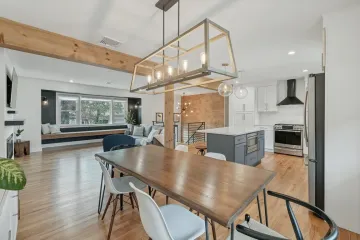
While 2025's trends have staying power, the industry continues evolving. Here's what to watch in the next 1-3 years.
Biophilic Design Expansion
Expect more indoor greenery, living walls, and nature-inspired materials as wellness and sustainability remain top priorities.
Future iterations will move beyond simple plant integration to bio-architecture incorporating living systems and bio-based materials.
Subtle Technology Integration
Smart home features will become invisible yet everywhere—hidden lighting controls, built-in charging stations, voice-activated systems that don't compromise aesthetics. According to industry research, the smart home market is expected to grow by 1.9% in 2025, focusing on user-friendly innovations that enhance efficiency without visual clutter.
Slow Design Movement
By 2027-2028, expect continued emphasis on "slow design"—investing in fewer, better pieces with longevity. This aligns with the growing vintage maximalism trend.
Key characteristics of this movement include:
- Prioritizing quality over quantity in furniture selection
- Valuing vintage and heirloom pieces over disposable options
- Choosing materials that can be repaired or repurposed
- Focusing on timeless design that transcends seasonal trends
Conclusion
The interior design trends of 2025—moody colors, natural textures, maximalism, defined spaces, and artisanal touches—reflect a cultural shift toward homes that prioritize comfort, authenticity, and personal expression over sterile perfection. These movements aren't fleeting fads but responses to fundamental changes in how we live and work.
Adapting these trends early, whether for a residential remodel or commercial space, creates environments that feel current yet timeless. Professional interior design studios throughout Florida and beyond help homeowners translate these movements into livable spaces that balance aesthetic vision with practical family needs—ensuring quality materials, thoughtful layouts, and personalized details that resonate for years to come.
Ready to bring these 2025 trends into your home? Start by identifying which movement speaks to your lifestyle, then work with experienced designers to implement it strategically within your budget and timeline.
Frequently Asked Questions
What decor style is best in 2025?
2025 favors layered, expressive styles like modern maximalism, moody transitional, and organic contemporary—approaches that blend bold color, natural materials, and personal collections for a lived-in yet elevated look. The best style is one that authentically reflects your lifestyle and personality.
What makes a house look outdated?
All-white or overly gray interiors, undefined open-concept layouts, cold finishes, and overdone past-decade trends (like farmhouse or industrial) make spaces feel dated. Homes lacking warmth, texture, and personal touches feel most out of step with current preferences.
How can I incorporate 2025 trends without a full renovation?
Paint walls or cabinetry in moody tones, layer textiles in linen and bouclé, style shelves with books and ceramics, and introduce pattern through removable wallpaper or bold artwork. These accessible updates deliver significant impact without major construction.
Are these trends suitable for families with young children?
Absolutely. Many 2025 trends are family-friendly—durable natural materials withstand daily wear, defined spaces accommodate different activities, and maximalism embraces the "lived-in" look without requiring constant tidying.
What's the difference between maximalism and clutter?
Maximalism is intentional and curated—each object has purpose or meaning, surfaces are styled (not piled), and there's a cohesive color palette or theme tying elements together. Clutter lacks intention, organization, and visual harmony, creating chaos rather than character.
How do I choose the right moody color for my space?
Consider room size, natural light exposure, and personal preference—darker colors work best in larger or well-lit spaces. Test paint samples on walls and observe them at different times of day before committing, as lighting dramatically affects how saturated colors appear.