Understanding 2026 trends helps homeowners create spaces that feel current yet timeless. The key is balancing personal style with lasting design principles, investing in choices that will remain relevant and meaningful for years to come. Research shows that 79% of homeowners plan to stay in their current homes for more than 10 years, driving demand for spaces that support long-term satisfaction rather than fleeting fashion.
Key Takeaways
- Rich, saturated colors replace stark whites and cool grays
- Layered spaces with personality over sterile minimalism
- Natural materials and craftsmanship become essential priorities
- 1920s-1930s nostalgia returns with sophisticated details
- Multi-functional rooms adapt to real life, not rigid single uses
Moody Color Palettes and Color Drenching
Color drenching is transforming residential interiors in 2026. This technique involves painting walls, ceilings, trim, and baseboards in the same rich hue, creating a cohesive atmosphere that blurs architectural boundaries.
Instead of breaking up a room with contrasting trim, color drenching uses a single bold color to reduce visual noise and unify the space.
The 2026 Color Palette
Deep, saturated hues replace the grays and stark whites that dominated the past decade:
- Chocolate browns and burnt umbers — Benjamin Moore's 2026 Color of the Year, "Silhouette," is a sultry charcoal-infused brown that anchors spaces with refined elegance
- Forest greens and olives — Dunn-Edwards' "Midnight Garden" connects interiors to nature, creating restorative environments ideal for bedrooms and wellness spaces
- Burgundies and terracottas — Little Greene's "Adventurer" plum-aubergine adds drama and confidence to dining rooms and libraries
- Navy and teal blues — WGSN's "Transformative Teal" offers timeless stability, perfect for home offices where focus matters
- Warm khaki and taupe — Sherwin-Williams' "Universal Khaki" provides an organic neutral backdrop that feels tactile rather than sterile
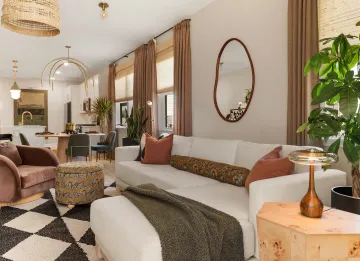
Why Color Drenching Works
Color-rich environments create psychological impact. Deep reds and browns evoke quiet luxury and intimacy, while greens support relaxation.
Matte finishes enhance this effect, allowing paint to read as form and structure rather than mere decoration.
Real-world applications:
- Living rooms in forest green create cocoon-like retreats
- Navy bedrooms blur corners, making rooms feel infinite rather than confined
- Burgundy dining spaces become dramatic backdrops for entertaining
This approach transforms ordinary rooms into immersive experiences. The technique works especially well in smaller spaces.
Contrary to conventional wisdom, dark colors can actually make small rooms feel more intimate and sophisticated when paired with proper layered lighting.
Lived-In, Layered Spaces Over Minimalism
The sterile, showroom aesthetic is giving way to homes that tell stories. The "lived-in" look embraces curated collections, visible books, and meaningful objects that reflect the people who actually inhabit the space.
This shift represents more than just a design preference. It's a response to years of minimal, carefully controlled interiors that prioritized perfection over personality.
Defining the Lived-In Aesthetic
This approach values collecting rather than decorating. It's about layering textures, patterns, and pieces from different eras to create depth and personality.
Unlike stark minimalism, lived-in spaces invite you to get comfortable. They encourage you to touch things and truly inhabit the room.
Key elements include:
- Mixing vintage finds with contemporary pieces for visual interest
- Pattern clashing that shares a common color palette or material language
- Displaying meaningful objects like travel souvenirs, family heirlooms, or art collections
- Layering textiles: nubby throws over linen upholstery, patterned rugs on hardwood floors
- Visible books and personal collections that reveal interests and passions
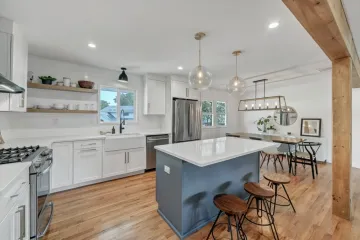
Modern Heritage and Vintage Revival
These layered elements typically fall into two distinct approaches. Modern Heritage blends timeless architectural details like moldings and millwork with modern furnishings, honoring craftsmanship while remaining fresh. Vintage Revival incorporates antique pieces to add soul and history—a single mid-century dresser or antique mirror can ground an entire room.
Why This Trend Has Staying Power
Designers predict longevity for lived-in spaces because they reflect authentic living. These interiors evolve over time as homeowners add pieces that matter to them, creating spaces that grow richer with age rather than feeling dated.
The shift away from minimalism acknowledges that real life includes books, hobbies, collections, and memories. All of which deserve a place in our homes.
Sustainable Materials and Natural Textures
Eco-conscious design has moved from niche to standard. Homeowners increasingly demand natural, tactile materials that offer both environmental benefits and aesthetic longevity.
Trending Natural Materials
The 2026 palette embraces "Organic Luxe"—raw, honest materials executed with refinement:
Richer wood tones replace matchy-matchy finishes. Designers now mix wood species—white oak floors with walnut cabinetry—to create depth and authenticity. Natural wood grain cabinetry tops kitchen preference lists, with homeowners moving away from painted or whitewashed woods.
Stone and marble with visible geological character now dominate. Dramatic veining replaces uniform engineered surfaces. Natural stone tells a 200-million-year story that grounds spaces in geological time.
Tactile textiles like bouclé, wool, linen, and rattan add warmth and softness. These materials invite touch and create sensory richness that synthetic alternatives can't match.
Handcrafted elements—handwoven textiles, handmade tiles—celebrate the imperfections that come with artisanal work.
Consumer Demand for Sustainability
The shift toward sustainable materials reflects broader cultural values.
Homeowners prioritize longevity and thoughtful material choices, selecting finishes that age beautifully and reduce replacement frequency. This aligns with mindful consumption—investing in quality pieces that last rather than disposable décor that cycles through trends.
Natural textures create warmth and connection to nature:
- Reclaimed wood furniture and natural fiber rugs (jute, sisal)
- Stone countertops with authentic geological character
- Organic cotton and linen fabrics
- Materials that improve indoor air quality
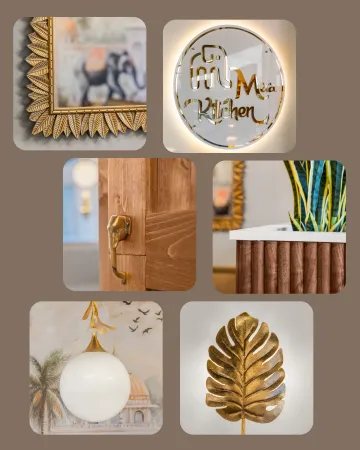
These elements contribute to spaces that feel grounded and restorative, creating tactile environments that engage the senses.
Nostalgic Revival: 1920s-1930s Sophistication
Homeowners are rediscovering the glamour and geometric precision of Art Deco alongside the functional elegance of Bauhaus. This nostalgic revival brings 1920s-1930s sophistication into contemporary homes with a fresh perspective.
What the Revival Looks Like
Termed "Neo Deco," this trend blends 1920s glamour with contemporary sensibilities. The look centers on geometric shapes like chevrons, fan arches, and sunburst motifs.
Luxe materials define the aesthetic—lacquered wood, chrome, glass, and velvet create visual richness. Streamlined forms with curved corners echo machine-age optimism while fitting modern lifestyles.
Incorporating Vintage Without Creating a Museum
The key is mixing eras rather than recreating period rooms. Focus on quality pieces that anchor the space.
Think an Art Deco sideboard in a contemporary dining room, Bauhaus-inspired tubular steel chairs at a modern table, or a vintage Murano glass pendant over a minimalist kitchen island.
Examples of successful integration:
- Art Deco lighting fixtures with geometric brass frames in modern entryways
- Vintage-inspired furniture with updated proportions for contemporary comfort
- Decorative trims, moldings, and detailed embellishments like tassels and fringe that add sophistication to simple spaces
- Antique mirrors with ornate frames that become focal points in streamlined rooms
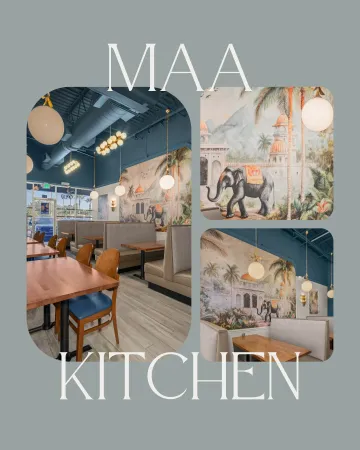
Why This Appeals to Homeowners
This trend attracts those seeking timeless elegance and investment-quality pieces. In uncertain times, the solid craftsmanship of Art Deco and Bauhaus designs offers permanence.
These pieces hold value both financially and aesthetically, making them smart long-term investments that grow more distinctive as trends cycle.
Multi-Functional Spaces for Modern Living
Single-purpose rooms are disappearing. Homes now serve multiple functions, adapting to work, wellness, entertaining, and family life within the same footprint.
How Homes Are Evolving
Kitchens have become gathering spaces with eat-in zones, adjacent flex offices, and integrated beverage stations. Home offices blend into living areas with furniture that transitions from work to relaxation.
Bedrooms now include sitting areas for reading or morning coffee. Mudrooms double as laundries with sophisticated cabinetry and durable finishes.
Key multi-functional space types:
- Kitchen sculleries — Back kitchens or butler pantries keep the main entertaining kitchen clutter-free, with demand growing by 4 points in recent surveys
- Outdoor prep stations — Sophisticated outdoor kitchens with pizza ovens and smokers extend living space beyond four walls
- Wellness rooms — Dedicated recovery spaces for meditation, yoga, saunas, or cold plunges become planned destinations rather than afterthoughts
- Mudroom-laundry combos — Transitional spaces with rich cabinetry and brick flooring handle high traffic while looking elegant
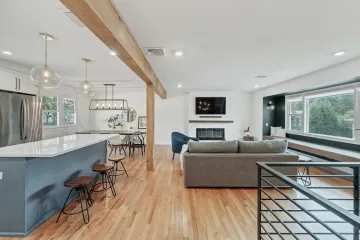
Blending Luxury with Practicality
Creating these multi-functional spaces requires balancing beauty with everyday practicality.
Field Flower Collective approaches this design challenge through their unique background in fashion. Their training translates into spaces that work for both entertaining and everyday family life. Experience scouting inspiration globally—from Paris to Tokyo—informs their ability to layer luxury with livability, ensuring spaces feel refined without sacrificing comfort or utility.
What's Driving These 2026 Interior Design Trends
Three cultural and lifestyle forces are reshaping residential design.
Post-Pandemic Desire for Meaningful Spaces
Homeowners prioritize warmth, longevity, and well-being over performative interiors. The desire for spaces that support real life—not just Instagram-worthy moments—drives the shift toward authenticity and comfort. With 79% planning to stay in their homes for more than 10 years, investment in personalized, grounded spaces makes practical sense.
Growing Environmental Consciousness
Sustainability has moved from niche to mainstream expectation. Homeowners demand non-toxic, natural, and durable materials that contribute to healthy indoor air quality. This shift reflects broader cultural values around mindful consumption and environmental responsibility.
Comfort Over Perfection
Beyond sustainability, homeowners are rethinking what makes a space truly livable. Research shows priorities have shifted decisively:
- Comfort over perfection in every room
- Quality over quantity in furnishings and decor
- Spaces that reflect personal identity, not design trends
- Authentic materials and layered textures over staged perfection
The lived-in aesthetic embraces these values, creating homes that feel welcoming rather than untouchable.
How These Trends Are Impacting Homeowners
The shift toward quality and customization has real effects on design decisions.
Design Process Impact
Longer timelines have become standard. Sourcing vintage pieces and commissioning custom work takes time. Homeowners should expect extended project schedules as designers hunt for unique items rather than ordering fast furniture.
More collaboration with designers is essential for achieving layered looks. 93% of homeowners plan to work with professionals for renovations, signaling reliance on expert guidance to navigate complex choices.
Increased investment in quality over disposable décor means higher upfront costs but better long-term value. Heirloom-quality pieces and natural materials cost more initially but eliminate the need for frequent replacement.
Lifestyle Impact
These design changes create homes that better support real living rather than showroom perfection:
- Entertaining spaces that accommodate both formal gatherings and casual family time
- Home offices integrated seamlessly into living areas
- Multi-functional rooms that adapt as children grow—toddler play areas becoming homework stations
- Dining spaces that work for both meals and remote work
Financial Impact
Quality design choices consistently add resale appeal, though specific ROI percentages vary by market. Features like upscale shower designs and natural stone countertops rank high with buyers.
Beyond resale value, the real return comes from living in a space that supports your lifestyle and reflects your identity daily.
Future Signals for Interior Design Beyond 2026
Design is already shifting beyond 2026. These emerging patterns signal where residential interiors are heading in the next 1-3 years.
Emerging Directions
Hyper-Personalization Through Custom Elements
- Custom-made wallpaper and art pieces create truly one-of-a-kind spaces
- Studios like Field Flower Collective tailor every visual element to individual client taste
- Mass-produced decor is giving way to bespoke design that reflects personal identity
Invisible Technology Integration
- Smart homes hide all interfaces: speakers plastered into drywall, wireless charging embedded in stone islands, motorized shades concealed in ceiling reveals
- Circadian lighting systems now designed into architecture from the start, not added later
- The goal is seamless functionality without visible tech components
Biophilic Design Beyond Houseplants
- Living architecture includes integrated moss walls and internal courtyards
- Oversized operable glazing systems erase boundaries between indoors and outdoors
- The landscape becomes a permanent visual element rather than an occasional view
Conclusion
2026 interior design trends reflect a fundamental shift toward authenticity, sustainability, and spaces designed for real life.
The most successful homes balance these emerging trends with timeless principles. The key is making strategic choices that honor both:
- Investing in quality materials that age gracefully
- Curating collections that tell your personal story
- Creating flexible spaces that adapt to how you actually live
At Field Flower Collective, we help homeowners in St. Augustine and St. Johns County navigate trends strategically—blending moody palettes, layered textures, and nostalgic elements with design principles that ensure your space remains relevant and cherished for years to come.
Frequently Asked Questions
What are the biggest interior design trends for 2026?
Top trends include color drenching with deep hues like chocolate browns and forest greens, lived-in layered spaces that embrace personality, and sustainable natural materials. Art Deco and Bauhaus elements are adding nostalgic sophistication to contemporary interiors.
Which 2025 design trends are going out of style in 2026?
Stark white minimalism, all-gray schemes, fast furniture, and overly themed spaces are declining. Homeowners now favor personality-driven design that reflects authentic living over sterile, performative interiors.
How can I incorporate 2026 trends without making my home look dated in a few years?
Invest in timeless foundational pieces like quality wood furniture and natural stone. Use trends in easily changeable elements—paint, textiles, accessories. Focus on materials that age beautifully rather than trendy finishes.
Are moody, dark colors appropriate for small spaces?
Yes. Dark colors make small spaces feel intimate and sophisticated rather than cramped. Color drenching in a single deep hue blurs corners to create an infinite effect, while proper layered lighting prevents the space from feeling oppressive.
What's the difference between following trends and creating a timeless home?
Timeless design focuses on natural materials, classic proportions, and personal meaning rather than chasing specific "looks." The key is using trends in decorative layers—textiles, paint, accessories—while building on a foundation of quality, enduring pieces.
Should I work with an interior designer to incorporate 2026 trends into my home?
Designers like Field Flower Collective bring expertise in balancing trends with personal style, sourcing quality pieces, and creating cohesive spaces for your lifestyle and budget. They help you invest strategically in choices that deliver long-term satisfaction rather than short-lived trend adoption.