Introduction
Many homeowners struggle to create spaces that feel both elevated and genuinely livable—rooms that impress guests yet welcome everyday moments with family. The real challenge? Making intentional design choices that reflect your lifestyle while maintaining sophistication through quality materials, expert craftsmanship, and cohesive vision.
True luxury interior design goes beyond price tags. It creates environments where every detail serves a purpose, where materials age gracefully, and where your home tells your story through custom elements.
Whether you're renovating a primary suite or transforming your entire St. Johns County residence, understanding what defines luxury design empowers you to make informed decisions that deliver lasting value.
This guide explores what distinguishes luxury interiors from merely expensive ones, the essential elements that create sophisticated spaces, practical applications for key rooms in your home, and how professional designers translate your vision into reality.
TLDR:
- Luxury design prioritizes quality materials, timeless elegance, and personalized customization over trends
- Essential elements include premium natural materials, layered lighting, architectural details, and textural contrast
- Livable luxury balances formal elegance with everyday functionality, especially important for families
- Professional designers offer trade access, project management, and expertise that prevent costly mistakes
- Foundational elements like flooring, cabinetry, and lighting deliver the greatest long-term value
What Defines Luxury Interior Design
Luxury interior design is characterized by quality over quantity, timeless elegance over trends, and meticulous attention to detail in every element from materials to finishes. Rather than collecting expensive objects, true luxury focuses on the human experience within a space—how you feel when you enter a room, how naturally you move through your home, and how authentically the environment reflects who you are.
Livable Luxury: Beauty Meets Function
The contemporary standard has evolved toward "livable luxury"—a philosophy that rejects pristine, untouchable showrooms in favor of environments that are comfortable and usable for daily life. It merges refinement with practicality, creating spaces that radiate beauty while remaining approachable.
Consider a velvet sofa that invites family movie nights, or a premium rug durable enough for pets and children. Functional luxury involves using performance fabrics on high-end upholstery and designing storage solutions that support family organization without creating maintenance stress.
The goal is spaces that feel elevated but work for real life—where luxury enhances rather than complicates your daily routine.
Cohesive Design Narrative
Luxury design creates a unified story throughout your home, where each room flows naturally into the next with consistent design language. Rather than matching everything perfectly, cohesive design means:
- Materials and finishes complement each other
- Color palettes create visual harmony
- Architectural details share common threads
- Transitions between rooms feel natural
Creating this level of cohesion requires both technical skill and artistic vision. Field Flower Collective's fashion-industry background brings a unique advantage here. Founder Margo Tomsey's two decades in apparel design, including her role as Vice President of Design for Levi's Kids Global, developed a keen eye for detail and sophisticated color sensibility. Her tactile understanding of fabric and texture translates directly into creating cohesive, elevated interiors where every element works in harmony.
The Power of Customization
Personalization separates true luxury from high-end retail. Custom elements—whether a bar cabinet crafted to fit a specific niche, commissioned artwork, or bespoke furniture—transform a house into a home by reflecting your unique story and needs.
Customization allows for optimal circulation and spatial flow, avoiding the compromises often required by standard catalog furniture. Custom pieces are designed for specific locations, defining how you move through spaces and maximizing the utility of every square foot. The result creates both sensory value (visual and tactile appeal) and emotional value, allowing you to express your identity through your environment.
Essential Elements of Luxury Interior Design
Quality Materials and Craftsmanship
Luxury starts with premium natural materials that offer visual depth and texture engineered alternatives can't replicate.
High-end materials include:
- Marble, quartzite, and onyx with unique veining patterns that make each slab one-of-a-kind
- Walnut, ebony, and rosewood hardwoods with rich colors and custom finishes
- Silk, linen, cashmere, and mohair textiles offering softness paired with modern performance durability
Craftsmanship is the foundation of luxury design. Hand-applied finishes, intricate moldings, and seamless joinery distinguish custom cabinetry from standard construction.
Materials that develop patina over time—natural stone, real wood, and unlacquered brass—age with dignity. They signal lasting quality, unlike engineered products that deteriorate visually.
Layered Lighting Design
Well-designed luxury interiors use three distinct lighting layers that adapt to different activities and moods throughout the day:
- Ambient Lighting: Overall illumination through recessed fixtures, chandeliers, or flush mounts
- Task Lighting: Focused light for cooking, reading, or grooming via under-cabinet lighting, pendants, or sconces
- Accent Lighting: Highlights architectural features, artwork, or textures, adding visual depth and interest
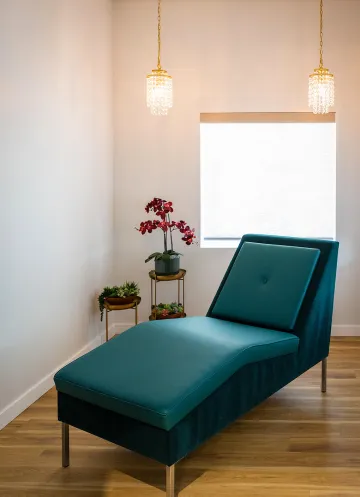
Statement fixtures in luxury spaces serve dual purpose as artistic focal points.
In luxury interiors, lighting fixtures often serve dual purpose as artistic focal points. Brands like Flos and Visual Comfort create pieces that define a space's aesthetic even when unlit—the Taraxacum chandelier or Arco floor lamp function as modern sculptures. Scale and proportion are critical; statement lighting in dining rooms, foyers, and living spaces should draw the eye and create drama.
Thoughtful Space Planning
Luxury design maximizes functionality without sacrificing aesthetics through strategic furniture placement, traffic flow considerations, and multi-functional spaces. At Field Flower Collective, we design around how you actually use each room, creating spaces that work as beautifully as they look.
Essential planning considerations:
- Furniture scaled to room dimensions—oversized pieces overwhelm small spaces, undersized pieces get lost in large rooms
- Clear traffic patterns that allow natural movement
- Multi-functional zones that adapt throughout the day
- Custom built-ins optimizing storage while maintaining clean lines
Textural Contrast and Depth
Luxury interiors incorporate multiple textures to create visual and tactile interest: smooth marble against rough-hewn wood, soft velvet alongside sleek metal, plush rugs on hard flooring. Texture prevents spaces from feeling flat or sterile, adding warmth and dimension that makes rooms feel complete.
The shift toward matte over gloss finishes reflects this sophistication. Brushed, honed, or hand-applied finishes like Roman clay and limewash offer sueded texture and visual softness rather than high-gloss surfaces.
These textural layers form the foundation for architectural details that complete luxury spaces.
Architectural Details
Architectural details are the soul of a home, establishing a foundation of refinement that furniture alone cannot achieve. These permanent features add depth, character, and a sense of permanence.
Key architectural elements include:
- Crown molding and coffered ceilings that draw the eye upward
- Wainscoting and custom millwork that add visual interest to walls
- Custom built-ins that provide sophisticated storage solutions
- Statement staircases that serve as sculptural focal points
- Wood beams and intricate ceiling paneling that create volume and grandeur
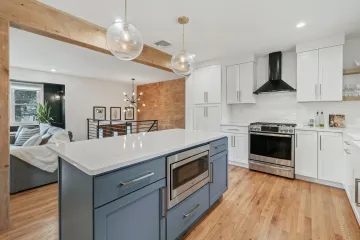
Art and Curated Collections
Art and personal collections in luxury design aren't just decoration—they're expressions of personality that make spaces unique and meaningful. Contemporary paintings, vintage photography, or sculptural objects tell your story and create conversation points generic decor can't replicate.
Creating Luxury in Key Living Spaces
Living Rooms: The Heart of Elegant Entertaining
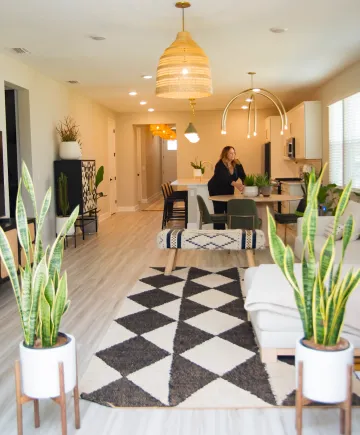
Luxury living rooms balance formality with comfort, creating spaces that look elegant but invite relaxation and gathering. Functional elegance uses custom sectionals with performance fabrics that are both kid-friendly and sophisticated.
Consider these design approaches:
- Conversation-friendly furniture arrangements that encourage interaction
- Statement seating pieces that serve as focal points
- Strategic rug placement to define zones and add textural warmth
- Architectural focal points like fireplaces or feature walls
- Multi-level lighting for versatility across different occasions
Kitchens: Where Function Meets Sophistication
The kitchen has evolved into the heart of the home, requiring seamless integration of beauty and practicality.
Luxury kitchens feature custom cabinetry, often in trending dark woods or blackened mocha, with high-end appliances integrated so seamlessly they disappear into the design.
Key elements include:
- Premium countertop materials that balance beauty with durability
- Thoughtful storage solutions that maintain clean lines
- Statement lighting over islands providing focused task illumination and visual impact
- Comfortable seating areas that transform kitchens into entertainment hubs
- Open layouts that connect to dining and living areas for seamless flow
Primary Suites: Private Retreats
Your primary suite should function as a personal sanctuary—a place to retreat from daily demands and recharge.
Spa-Like Bathrooms:
- Freestanding tubs that serve as sculptural focal points
- Walk-in showers with multiple shower heads and body sprays
- Heated floors for warmth underfoot
- Luxurious materials like marble or quartzite
- Ambient lighting that mimics a high-end hotel spa
Serene Bedrooms:
- Premium linens layered for comfort and visual appeal
- Blackout window treatments for quality sleep
- Sitting areas for reading or morning coffee
- Calming color palettes in cool tones (blues, grays, soft greens)
- Wall sconces that free up bedside table space
Outdoor Living Spaces
In Florida's climate, outdoor spaces extend your living area year-round. For St. Johns County's coastal environment, weather-resistant materials are essential to maintain beauty and function.
Creating seamless transitions:
- Covered patios with outdoor kitchens and fire pits
- Comfortable seating areas with weather-resistant upholstery
- Expansive doors or window walls blurring indoor-outdoor boundaries
- Landscape integration that creates natural flow
Coastal Resilience:
Materials for St. Johns County homes must withstand salt air, UV exposure, and humidity. Solution-dyed acrylics like Sunbrella are engineered to be fade-resistant, mold/mildew resistant, and easy to clean.
Marine-grade metals and weather-resistant woods like teak prevent corrosion and weathering in Florida's demanding climate. Field Flower Collective brings fashion-industry precision to material selection, ensuring outdoor spaces in communities like Nocatee and Ponte Vedra maintain their beauty season after season.
Material and Finish Selections for Sophisticated Interiors
Premium Flooring Options
For St. Johns County homes, flooring must balance luxury aesthetics with Florida's humid climate demands. Material selection significantly impacts both the visual elegance and long-term durability of your space.
Top flooring choices include:
- Wide-Plank Hardwood – European white oak offers light, organic tones that enhance spaciousness. Engineered hardwood is specifically recommended for humid climates to resist warping while maintaining solid wood's appearance
- Marble, travertine, and limestone provide timeless elegance as natural stone options. Travertine's earthy texture suits entryways, while marble remains a traditional bathroom favorite
- Large-format porcelain slabs replicate natural stone without the maintenance, offering superior durability and water resistance for high-traffic and wet areas
Luxury Countertop Materials
Beyond flooring, horizontal surfaces like countertops define the tactile experience of luxury spaces.
| Material | Characteristics | Best Applications |
|---|---|---|
| Quartzite | Harder than marble, resistant to scratches, acids, and UV rays | Indoor and outdoor kitchens where marble might etch or fade |
| Marble | Timeless elegance with unique veining | Formal spaces where maintenance commitment isn't a concern |
| Sintered Stone (Dekton) | Ultra-compact, near-zero porosity, highly resistant to UV, scratches, fire, and stains | High-durability indoor and outdoor luxury applications |
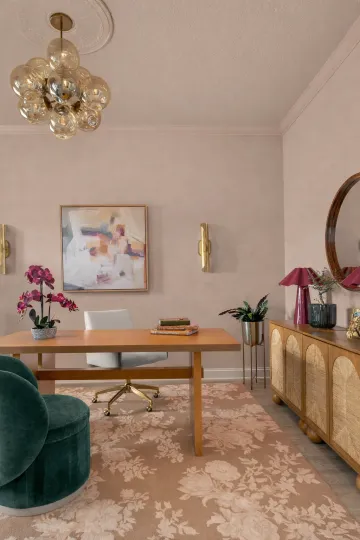
Finish Selections: Tactile Sophistication
The finish you choose matters as much as the material itself. There's a decisive shift away from high-gloss finishes toward matte, honed, or hand-applied surfaces.
Living metals—unlacquered brass, bronze, and aged iron—are preferred over polished chrome. These finishes develop patina over time, adding character and warmth that aligns with the quiet luxury aesthetic.
Mixing Finishes:
- Combine different metal finishes (brass faucets, bronze hardware, nickel lighting) for visual interest
- Maintain cohesion by limiting to 2-3 metal finishes throughout connected spaces
- Balance warm and cool tones for sophisticated contrast
Color Palettes for Sophisticated Spaces
Warm Neutrals as Foundation
The luxury palette has shifted from stark grays to complex, earthy hues. Benjamin Moore's 2026 trends highlight colors like Swiss Coffee (warm off-white) and Sherwood Tan (earthy brown) as foundational hues.
These colors provide versatile backdrops that work across different design styles and lighting conditions.
New Neutral Palette:
- Soft taupes and warm ivories
- Greiges (gray-beige hybrids)
- Creamy off-whites with warm undertones
- Earthy browns and tans
This approach creates calm, timeless backgrounds that won't feel dated. Your furniture, art, and accessories become the focal points.
Strategic Use of Accent Colors
Once your neutral foundation is established, accent colors add personality and depth.
Rather than committing to bold colors on permanent fixtures, luxury interiors incorporate rich hues through textiles, art, and accessories that can evolve with your tastes.
Trending Accent Approaches:
- Color drenching (painting walls, trim, and ceilings the same hue) creates intimate spaces
- Jewel tones like emerald and sapphire convey richness in dining rooms
- Deep moody colors—aubergine, olive green, charcoal—add drama to studies or primary suites
Color Psychology in Residential Design
Research confirms that color choices significantly affect how spaces feel:
- Warm tones (reds, oranges, golds) stimulate energy and appetite—ideal for dining rooms
- Cool tones (blues, greens) promote calm and focus—preferred for bedrooms and workspaces
- Neutrals create peaceful, adaptable environments—perfect for relaxation spaces
Working with Professional Interior Designers
The Luxury Design Process
Professional designers guide you through a structured process that ensures your vision becomes reality without costly mistakes.
Typical Phases:
- Initial Consultation: Discuss inspiration, lifestyle needs, timeline, and budget parameters
- Concept Development: Create design boards, renderings, and space plans that visualize the finished space
- Material Selection: Source premium materials, finishes, furniture, and accessories
- Project Management: Coordinate with contractors, oversee installation, and manage timelines
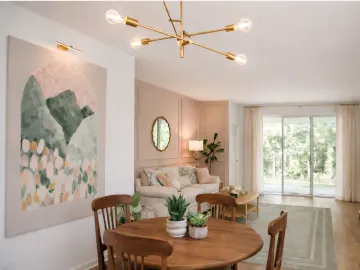
The Value Professional Designers Bring
Key advantages include:
- Trade-Only Access: Relationships with exclusive vendors and craftspeople the public cannot access
- Visualization Expertise: Ability to see the finished space before construction begins, preventing expensive changes mid-project
- Budget Optimization: Knowledge of where to invest and where to save for maximum impact
- Time Savings: Managing the countless decisions and coordination required for luxury projects
- Quality Assurance: Ensuring craftsmanship meets luxury standards throughout the process
For example, Field Flower Collective offers personalized consultations discussing inspiration, needs, timeline, and budget, with services ranging from single-room packages to complete home designs.
Their comprehensive approach includes construction project management and coordination with contractors, managing execution from concept through installation. The team's fashion-industry background brings specific advantages to residential design:
- Eye for detail developed through international trend scouting in design capitals like Paris, Tokyo, and London
- Deep understanding of color theory and palette development from fashion design
- Tactile knowledge of fabrics and textures that informs material selection decisions
Frequently Asked Questions
What is the difference between luxury interior design and expensive interior design?
Luxury is about quality, thoughtfulness, and timelessness, while expensive simply refers to cost. True luxury involves intentional choices—materials that age gracefully, expert craftsmanship, and cohesive design narratives. An expensive chandelier doesn't create luxury; proper scale, quality construction, and integration with your overall vision does.
How much does luxury interior design typically cost?
Luxury kitchen renovations typically range between $80,000 and $250,000, driven by custom cabinetry, high-end appliances, and natural stone. A single luxury room refresh (living room) can range from $30,000 to $45,000 for furnishings and decor alone. Costs vary significantly based on scope, materials, customization level, and location.
What are the most important elements to invest in for a luxury interior?
Prioritize foundational elements: quality flooring, custom cabinetry, premium lighting fixtures, and upholstered furniture. These have the biggest impact on overall luxury feel and are difficult to change later. Architectural details like millwork increase long-term property value more effectively than decorative furnishings, which can be updated over time.
How long does a luxury interior design project take?
Single room projects typically require 5-8 months, driven by furniture lead times of 16-20 weeks. Remodel projects take 6-18 months including permitting, demolition, and construction. Whole home projects require 6-12+ months, with planning phases often lasting as long as construction. Custom elements and quality craftsmanship require time—rushing compromises results.
Can luxury interior design work for families with children?
Absolutely. Luxury and functionality are not mutually exclusive. Designers select durable, family-friendly materials like performance fabrics that resist stains while maintaining sophisticated aesthetics. The key is creating spaces that are both beautiful and livable—sofas that welcome family movie nights, rugs that withstand play, and storage that supports organization.
What interior design styles are considered luxury?
Luxury transcends specific styles like modern, traditional, or coastal—it's about execution quality, materials, and attention to detail rather than aesthetic trends. Whether your home is contemporary or classic, luxury is defined by correct proportion, scale, and material authenticity.