Concept design is where vision meets reality. It's the creative phase where abstract ideas like "I want it to feel warm and sophisticated" become concrete design solutions with clear direction. Choosing the right approach—and the right designer—determines whether your space truly reflects your lifestyle, supports your daily routines, and evolves with your needs over the years.
This guide covers what concept design entails, why it matters more than you might think, how the process actually works, and exactly what to look for when hiring a designer who will bring your vision to life.
Key Takeaways
- Transforms your vision into mood boards, space plans, and material palettes before detailed work begins
- Saves money by catching expensive mistakes early in the design process
- Ensures space-wide cohesion while creating functional beauty tailored to your lifestyle
- Look for designers with relevant portfolios, collaborative communication styles, and understanding of both aesthetics and real-world functionality
- Expect 2-4 weeks to complete residential concept design, with investment scaling to project scope
What is Concept Design in Interior Design?
Concept design is the exploratory creative phase where designers develop the overarching vision and design direction for a space before any detailed plans, specifications, or purchasing decisions are made. According to the Council for Interior Design Qualification, this phase involves "creating design concepts rooted in research, creativity, and client needs."
Think of it as the bridge between your abstract ideas and concrete solutions. When you say "I want it to feel warm and sophisticated," concept design translates that feeling into specific colors, materials, furniture styles, and spatial arrangements.
This phase establishes the "north star" for your entire project, guiding every decision that follows.
Core Elements of Interior Concept Design
Professional concept design packages consistently deliver several key components:
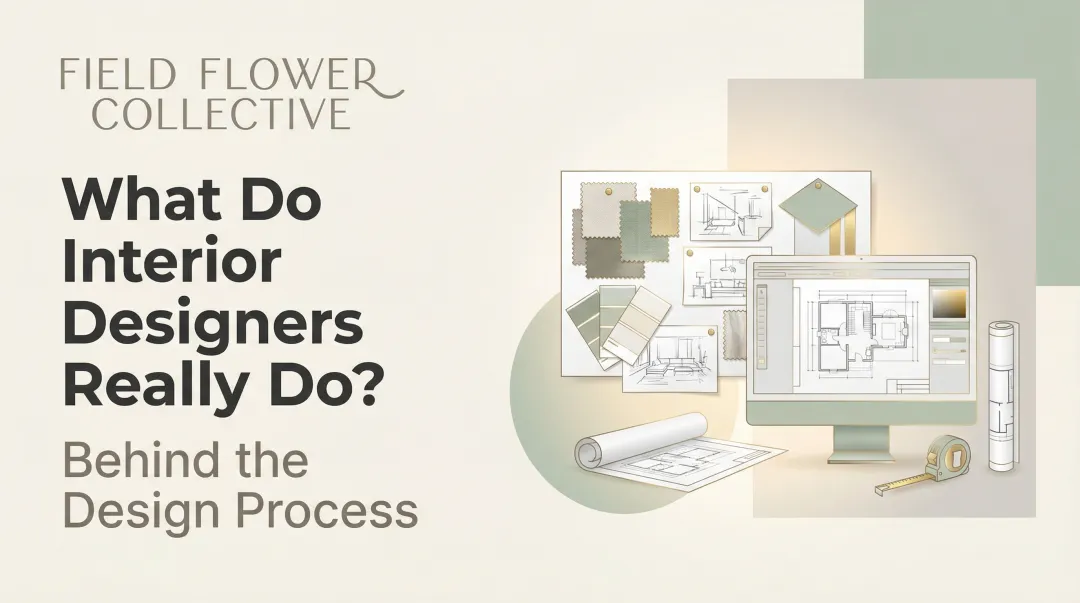
- Mood boards and visual inspiration capture the aesthetic direction, color story, and overall feeling through curated images, textures, and design references that communicate tone and style in ways words alone cannot
- Space planning concepts show how rooms will flow, function, and fit your lifestyle needs through preliminary layouts of furniture arrangements, traffic patterns, and functional zones
- Material and finish palettes establish cohesive selections for flooring, wall treatments, fabrics, and key finishes that create visual harmony and provide clear direction for detailed selections
- Conceptual furniture layouts demonstrate how you'll actually use the space, supporting your daily routines rather than just looking attractive in photos
- Style direction defines whether your design leans modern, traditional, eclectic, or a custom blend—establishing guardrails that keep the project visually cohesive
Why Concept Design Matters for Your Space
Concept design directly impacts your project's success and bottom line. The right approach saves money, prevents costly mistakes, and creates spaces that truly work for how you live.
Measurable Financial Impact
Research comparing integrated design approaches against traditional methods reveals measurable advantages:
- Cost savings: Projects utilizing integrated design achieved an 18.2% reduction in lifecycle costs
- Client satisfaction: User satisfaction scores improved by 23.7% when proper concept design was prioritized
- Sustainability: Enhanced environmental performance metrics by 31.4%
Prevents Costly Mistakes
A well-developed concept serves as your project's guiding vision. By defining direction early, you avoid discovering problems after you've already purchased furniture, committed to contractors, or installed permanent fixtures.
The concept phase allows you to explore ideas and align expectations before the expensive "Documentation & Estimation" phase where vision meets logistics.
Ensures Cohesion Across Your Space
Without a unified concept, spaces feel disjointed—like each room was designed by a different person with different ideas. Concept design ensures every room feels intentionally connected, creating visual harmony throughout your home or business.
Reflects Your Unique Personality
Generic showroom aesthetics might look polished, but they don't feel like "you." Concept design digs into your lifestyle, preferences, and daily routines to create spaces that authentically reflect who you are—not just what looks good in photos.
The Concept Design Process: What to Expect
While every designer's process varies slightly, most follow a similar framework from initial discovery through final concept approval. Understanding this workflow helps you prepare for each phase and collaborate effectively with your designer.
Discovery and Research Phase
The process begins with understanding your vision, lifestyle, and practical requirements.
Initial Consultations Designers conduct in-depth discussions about your aesthetic preferences, functional needs, budget parameters, and timeline expectations. These conversations establish the foundation for all subsequent design work.
Site Analysis For existing spaces, designers take measurements, document architectural features, and assess lighting conditions. Key activities include:
- Identifying existing constraints or opportunities in the space
- Documenting architectural features that influence design options
- Evaluating natural and artificial lighting patterns
- Taking precise measurements for accurate space planning
This technical assessment ensures concepts are grounded in reality.
Aesthetic Research Designers explore your style preferences through visual exercises, Pinterest boards, or questionnaires. This collaborative exploration ensures the design direction reflects your personal taste.
The idea exploration phase typically takes 2-6 weeks, aligning expectations before moving to concept development.
Concept Development Phase
Designers translate research findings into visual concepts that bring your vision to life.
Mood Board Creation Designers curate images, materials, and color palettes that establish the aesthetic direction. These boards communicate the overall feeling and style before any specific products are selected.
Preliminary Space Planning Initial floor plans show furniture arrangements, traffic flow, and functional zones. These layouts ensure the design supports how you'll actually use the space.
Material & Finish Selection Designers select key surfaces like flooring, wall treatments, and major fixtures. These preliminary selections establish the material palette that will guide all subsequent purchasing decisions.
Refinement and Presentation
The final concept phase involves collaborative review and approval.
Concept Refinement Designers adjust the direction based on initial feedback, ensuring the concept aligns with your vision and practical needs before moving forward.
Formal Presentation You'll receive comprehensive design boards, floor plans, material palettes, and preliminary renderings or sketches that visualize the complete concept.
Collaborative Review This is your opportunity to provide feedback, ask questions, and work together to finalize the design direction. It's essential that everyone is aligned on the approved concept before moving to detailed design phases where changes become more expensive.
What to Look for When Hiring a Concept Designer
Choosing the right designer is as important as the design itself. The best outcomes come from strong designer-client partnerships built on trust, shared vision, and clear communication.
Relevant Experience and Portfolio
Review Their Work Examine portfolios to see if their design style aligns with your vision. Look for projects similar to yours in scope and style.
According to industry best practices, strong portfolios reveal the design process—including mood boards, drawings, and problem-solving narratives—not just final photos.
Assess Versatility Look for diversity in their work showing they can adapt to different styles rather than imposing a signature look on every project.
Request References Request contact information for past clients who completed projects similar to yours. Direct feedback reveals how the designer handles challenges, communicates, and delivers on promises.
Process and Communication Style
Once you've vetted their portfolio, evaluate how they work. Process and communication determine whether a project runs smoothly or derails.
Understand Their Workflow Clarify their design process, timeline expectations, and how they handle revisions or unexpected challenges. A clear process prevents misunderstandings later.
Evaluate Communication Approach Pay attention to whether they listen actively, ask thoughtful questions, and make you feel heard. Design is collaborative—you need a partner who values your input, not someone who dismisses your ideas.
Clarify Revision Policy Understand how many revision rounds are included in the concept phase and what happens if the concept needs significant changes. This prevents surprise fees later.
Understanding of Function AND Beauty
Prioritize Livability Ensure they ask about your daily routines, habits, and practical needs—not just what you want the space to look like. Designers who only focus on aesthetics create beautiful spaces that don't support how you actually live.
Look for Lifestyle Questions Strong designers ask about your morning routines, how you entertain, whether you have kids or pets, and what frustrates you about your current space. These questions reveal they're designing for your life, not a magazine spread.
Balance Luxury with Practicality This is especially important for families or high-traffic commercial spaces. The best designers create spaces that are both sophisticated and functional for real-world use.
Budget Transparency and Value
Discuss Budget Upfront Have honest conversations about budget from the start. Ensure the designer can work within your limits while still delivering quality design. Nationally, designer hourly rates range from $150 to $425+ per hour, with some charging flat fees or percentage-based pricing.
Understand Fee Structure Clarify whether they charge hourly, flat fee, or a percentage of the project budget. Understand exactly what's included in concept design versus detailed design phases to avoid surprise costs.
Ask About Value Maximization Strong designers prevent budget creep through smart planning, strategic sourcing, and clear prioritization of where to invest versus where to save.
Cultural Fit and Collaboration
Budget transparency matters, but so does chemistry. You'll work closely with this person for weeks or months—the relationship quality shapes the entire experience.
Trust Your Instincts Design requires open, honest communication over weeks or months. If you don't genuinely enjoy working with this person during initial consultations, that won't improve during the project.
Look for Partnership Mentality The best designers view themselves as partners bringing YOUR vision to life, not imposing their own agenda. They should be excited about your ideas, not dismissive of them.
Credentials Matter
In Florida and other regulated jurisdictions, the title "Registered Interior Designer" is protected and requires passing the NCIDQ examination and meeting specific experience standards.
This certification demonstrates competency in protecting public health, safety, and welfare—especially important for commercial projects or renovations involving structural changes.
How Field Flower Collective Can Help
Field Flower Collective is an interior design studio in St. Johns County, Florida, founded by designer-mothers with two decades of fashion industry experience. That background brings strong color expertise, material knowledge, and attention to detail to every project.
What makes their approach unique is the blend of luxury aesthetics with practical, family-friendly functionality. Founder Margo Tomsey served as Vice President of Design for Levi's Kids Global. She gained global design perspective through inspiration sourcing in Paris, Tokyo, Berlin, Amsterdam, and Seoul.
Her hands-on understanding of how families actually live in their spaces allows Field Flower Collective to create designs that are both beautiful and livable for real life.
What's Included in Concept Design Services
The concept design process includes:
- Personalized consultations exploring your inspiration, needs, timeline, and budget
- Comprehensive mood boards establishing aesthetic direction and material palettes
- Strategic space planning that prioritizes both flow and function
- Custom material selections including the ability to create custom-made wallpaper and art pieces
- Collaborative refinement ensuring the design truly reflects your personality and lifestyle
Service Areas and Availability
Field Flower Collective serves residential and commercial clients throughout St. Johns County, including:
- Ponte Vedra
- Nocatee
- Palencia
- TrailMark
- San Marco
- Port St Lucie
They offer both in-person and virtual design options, making their services accessible whether you're local or working remotely.
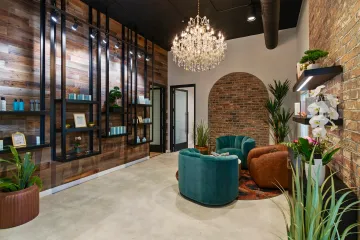
The portfolio includes completed projects ranging from single-room refreshes to whole-home transformations, plus commercial spaces including restaurants, med spas, and offices.
Each project reflects their philosophy of "elevated everyday living"—spaces that feel refined but livable, sophisticated but practical.
Frequently Asked Questions
What does a concept designer do?
A concept designer develops the creative vision and design direction for your space, translating your needs and aesthetic preferences into cohesive visual concepts. They create mood boards, preliminary floor plans, and color/material palettes that guide all subsequent design decisions.
What is included in concept design?
Typical deliverables include mood boards, preliminary floor plans showing furniture layouts and traffic flow, color and material palettes for key surfaces, and style direction for purchasing decisions. Some designers also provide preliminary 3D renderings.
How long does concept design take?
Residential concept design typically takes 2-4 weeks depending on project scope, while commercial projects may require 4-6 weeks. Timeline is influenced by how quickly you provide feedback and the complexity of your space and needs.
How much does concept design cost?
Single-room concepts typically range from $1,500-$5,000, while whole-home concepts can exceed $10,000. Designers charge hourly rates ($150-$425+ per hour), flat fees, or percentage-based pricing depending on project scope and experience.
Can I do concept design myself?
DIY concept design is possible if you have time and confidence. However, professional designers bring trained eyes and industry access that prevent costly mistakes. Research shows professional design delivers 18.2% lower lifecycle costs and 23.7% higher satisfaction than DIY approaches.
What's the difference between concept design and detailed design?
Concept design establishes the overall vision, aesthetic direction, and spatial organization. Detailed design takes that approved concept and develops it into specifications, construction drawings, and implementation plans needed to build or install the design.