Introduction
Your dining table has a story to tell—but right now, it might be buried under mail, homework folders, and the remnants of daily life. In open-concept homes where the dining area stays visible from multiple rooms, that cluttered table becomes more than a functional problem.
It affects your entire living space.
Your dining table deserves to be styled beautifully for everyday living, not just holidays.
This guide shares practical dining table decor ideas that balance beauty with function—from centerpiece foundations and seasonal styling to layering techniques that work for busy families. You'll learn how to create welcoming tablescapes that feel elevated without sacrificing livability.
TLDR: Key Takeaways
- Start with one anchor piece—tray, runner, or bowl—to define your styling zone
- Layer 2-3 elements with varying heights and textures for visual balance
- Durable, moveable decor works for everyday family life, not just special occasions
- Centerpieces under 12 inches maintain conversation flow across the table
- Seasonal updates made easy: swap small accents, keep neutral bases year-round
Why Dining Table Decor Matters
The Visual Anchor of Your Home
Open-concept homes make your dining table a permanent focal point, visible from your kitchen, living room, and entryway. This constant visibility means your table sets the aesthetic tone for your entire main living area.
A thoughtfully styled table signals that your home is curated and intentional, while a cluttered surface broadcasts chaos throughout the space.
Creating Space for Connection
A beautifully styled dining table does more than look good, asit changes how your family uses the space. Research shows that 91% of parents report reduced stress when families share meals together, and a welcoming table encourages those gatherings. When your table looks inviting rather than cluttered, family members naturally gravitate toward it for meals, homework, and conversation.
The Psychology of Coming Home
The state of your dining environment directly impacts your mental well-being. Studies analyzing home environments found that people who described their homes as "cluttered" showed flatter cortisol patterns associated with chronic stress, while those with "restorative" spaces experienced decreased depressed mood throughout the day.
A thoughtfully styled dining table creates tangible benefits:
- Establishes a sense of calm when you walk through the door
- Makes everyday moments feel more intentional
- Reduces visual stress in your most-used living areas
- Creates an anchor point that grounds the entire home's aesthetic
Core Principles for Styling Your Dining Table
Understanding the Scale Rule
The 3-5-7 rule is your secret weapon for visual balance. Group decor items in odd numbers (3, 5, or 7 pieces) because our eyes naturally find odd-numbered arrangements more appealing and dynamic than even-numbered groupings.
Why odd numbers work:
- Build visual tension that keeps the eye moving around the arrangement
- Prevent the static, overly symmetrical look of paired items
- Feel more organic and less staged
Application by table size:
- Small round tables (36-48 inches): Use 3 items maximum
- Medium rectangular tables (60-72 inches): Group 3-5 pieces
- Large rectangular tables (84+ inches): Can hold 5-7 elements
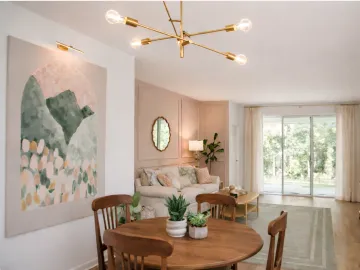
A classic trio might include a tall vase, medium candle, and low bowl—each at different heights to create dimension.
Working With Height and Dimension
Height variation creates visual interest, but there's one non-negotiable rule: keep centerpieces under 12 inches tall to maintain eye contact and comfortable conversation across the table.
This sightline protection is critical for functional dining spaces where people actually gather and talk.
Creating dimension within the 12-inch limit:
- Use pedestals or stacked books to elevate smaller objects
- Layer vessels of varying sizes (tall, medium, low)
- Choose transparent glass for taller elements that won't block views
- For round tables, keep arrangements even lower (10 inches) due to the smaller diameter
The goal is visual movement without creating a wall between diners.
Choosing a Color Palette
Start with 2-3 core colors pulled directly from your dining room's existing elements—upholstery, artwork, or architectural details.
This creates instant cohesion between your table styling and the surrounding space.
Building your palette:
- Select one dominant neutral (white, beige, grey, natural wood)
- Add one accent color from your room's palette
- Introduce texture through natural materials (rattan, ceramic, linen) for depth
For 2025, earthy neutrals are dominating—think mocha, terracotta, warm browns, and moss green. These tones feel grounded and sophisticated while working seamlessly across seasons.
The Power of Negative Space
Not every inch needs to be filled. Leaving breathing room makes your styling look intentional rather than cluttered, and it serves a practical purpose: negative space makes it easier to quickly clear the table for meals.
Strategic spacing:
- Group items close together in one zone rather than spreading them evenly
- Leave at least 30-40% of your table surface clear
- Consider proximity over symmetry—clustered arrangements feel more curated
Clustered groupings create a more curated, intentional look than evenly spaced items—a principle professional designers use to make spaces feel both styled and livable.
Balancing Permanent and Flexible Pieces
Build a base layer of neutral items that stay put year-round (runner, tray, or primary centerpiece). Then add flexible accent pieces that can be easily swapped seasonally or removed for dining.
This layered approach—anchoring your look with foundational pieces while keeping flexibility for seasonal changes—reflects how interior designers create spaces that evolve with your lifestyle.
Base layer essentials:
- Table runner or woven tray in neutral tones
- One substantial vessel (bowl or vase) in a timeless material
- Candleholders in classic finishes
Flexible accents:
- Fresh or faux greenery that changes with seasons
- Decorative objects that rotate based on holidays
- Small bowls with seasonal fillers
This approach lets you refresh your look in 5 minutes without starting from scratch each time.
Everyday Dining Table Decor Ideas by Style
Choose a styling approach that reflects your personality and complements your home's aesthetic. Each style below includes practical elements and arrangement ideas you can adapt to your own table.
Modern Minimalist
Pared-down, sculptural, and intentional—one statement piece often does the work of three.
Key elements:
- Single sculptural bowl or vase in matte ceramic or marble
- Monochromatic color scheme (whites, greys, soft blacks)
- Clean geometric shapes with smooth finishes
- Fresh greenery in a sleek vessel or left empty as an art object
Example arrangement: A large matte white ceramic bowl centered on the table, filled with three stems of eucalyptus. Simple, elevated, unfussy.
Coastal Casual
Perfect for St. Johns County's relaxed beachside aesthetic, coastal styling embraces natural textures and a light, breezy palette.
Key elements:
- Woven trays, driftwood bowls, or rattan chargers
- Glass vessels filled with shells, coral, or sand
- Color palette of soft blues, whites, sand, and natural wood
- Organic textures like jute, seagrass, and weathered finishes
Material considerations: In coastal climates, choose 316 marine-grade stainless steel or powder-coated aluminum for metal accents to prevent salt-air corrosion.
Teak is naturally moisture-resistant and ideal for wooden elements.
Example arrangement: A woven tray holding a glass hurricane with a pillar candle, flanked by two small ceramic bowls in soft blue tones.
Traditional Elegance
Classic and refined, traditional styling relies on symmetry and formal elements—yet feels fresh when mixed with organic touches.
Key elements:
- Formal table runner in damask or jacquard
- Crystal or silver vessels
- Candlesticks in polished finishes
- Fresh floral arrangements in classic vessels
Modernizing traditional style: Choose flowers in unexpected colors (deep burgundy instead of pink, or monochromatic white arrangements) and incorporate one natural element like bare branches or moss.
Example arrangement: A pair of brass candlesticks flanking a low crystal bowl filled with white roses and eucalyptus.
Farmhouse Charm
Rustic, warm, and collected, farmhouse style celebrates natural materials and vintage finds.
Key elements:
- Wooden dough bowls filled with seasonal produce
- Galvanized metal containers or vintage pitchers
- Fresh-cut flowers in mason jars or ceramic crocks
- Layered textures: linen runners, wood, ceramic
Example arrangement: A reclaimed wood tray holding a galvanized bucket with fresh sunflowers, a linen napkin, and three white ceramic candleholders at varying heights.
Transitional Sophistication
The most versatile approach, transitional style blends traditional and contemporary elements for timeless appeal. This balanced aesthetic reflects Field Flower Collective's philosophy of creating elevated spaces that feel refined but livable.
Key elements:
- Modern tray holding classic candlesticks
- Sleek vase with organic branches or grasses
- Mixed metals (brass with black or chrome)
- Neutral palette with one accent color
Example arrangement: A marble and metal tray with two taper candles in modern brass holders and a low ceramic bowl in warm grey.
Eclectic Collected
Personal, layered, and storytelling—eclectic styling mixes textures, finishes, and eras.
Key elements:
- Moroccan or vintage trays paired with modern ceramics
- Brass candlesticks mixed with contemporary glass
- Collected items from travels or family history
- Bold jewel tones mixed with neutrals
Example arrangement: A vintage brass tray holding a modern ceramic vase with dried pampas grass, a small Moroccan bowl, and a sculptural candle.
Essential Elements for Beautiful Table Decor
Trays and Runners as Anchors
A tray or runner creates a defined styling zone and makes your life easier—you can move everything at once when it's time to eat.
Choosing the right anchor:
- Woven trays for casual, coastal, or farmhouse styles
- Metal trays for modern, transitional, or industrial looks
- Wood trays for farmhouse, traditional, or eclectic spaces
- Table runners that extend 12 inches beyond table edges on each side
Trays work particularly well for families because kids can help with the "reset" by simply placing the tray back after meals.
Vessels and Bowls
Once you've anchored your table, add sculptural elements that bring dimension.
Decorative bowls are the workhorses of table styling—they're versatile, sculptural, and functional.
Uses for vessels:
- Hold fresh fruit, greenery, or decorative balls
- Serve as standalone sculptural objects
- Create height when stacked or elevated
- Anchor arrangements with visual weight
Keep 2-3 vessels in different sizes and materials (ceramic, wood, metal) that you can rotate based on season or mood.
Fresh and Faux Greenery
With your structural elements in place, it's time to add life and movement.
Greenery adds life and color without the formality of floral arrangements. It's the easiest way to make your table feel fresh.
Low-maintenance options:
- Potted herbs (basil, rosemary) that do double duty in cooking
- Eucalyptus branches that dry beautifully and last months
- High-quality faux stems in olive, eucalyptus, or monstera
- Small succulents or aloe in ceramic pots
Incorporating natural elements—even faux—reduces stress and improves well-being, making greenery a functional choice for family spaces.
Candles and Candleholders
Lighting creates ambiance and completes the sensory experience of your table.
Candles add ambiance, height, and warmth to any table arrangement.
Choosing candles:
- Vary heights and group in odd numbers (3 or 5)
- Battery-operated options for families with young children
- Taper candles in brass or ceramic holders for elegance
- Pillar candles in hurricanes for coastal or traditional styles
For active family tables, battery-operated candles provide the ambiance without the fire risk.
Books and Decorative Objects
Finally, add personal touches that reflect your family's story and interests.
Stacking 2-3 large-format books creates instant height variation and serves as a pedestal for other objects.
Selecting books:
- Choose subjects that reflect your interests (art, travel, design)
- Select books with beautiful covers that complement your palette
- Stack largest to smallest with spines aligned
Incorporate meaningful pieces—small sculptures, geodes, or collected items that add personality. If you're unsure how to layer these elements cohesively, Field Flower Collective's styling consultations can help you create arrangements that feel both curated and authentic to your home.
Quick Styling Tips for Busy Families
The 5-Minute Table Reset
Keep a designated basket or tray nearby to quickly corral your styling pieces after clearing dinner. When the table is clean, simply place the tray back—styling complete.
The formula:
- Clear table completely
- Wipe down surface
- Place anchor tray or runner back in center
- Add your 3-5 pre-arranged pieces
- Done in under 5 minutes
Make it simple enough that even kids can help with the reset, teaching them to value a beautiful space.
Kid-Friendly Decor Choices
Avoid delicate glass or breakable items on tables where young children play or do homework.
Durable material choices:
- Wood bowls that withstand daily use without shattering
- Weighted ceramic vessels—harder to knock over accidentally
- Faux plants instead of fresh to eliminate water spills
- Battery-operated candles for ambiance without fire hazards
High-quality ceramics resist heat and stains, making them practical for families who use their dining table for everything from homework to craft projects.
Transitioning from Everyday to Entertaining
The same durable pieces that work for family life can anchor your entertaining setup. When guests arrive, build on your everyday base by layering in fresh flowers, additional candles, chargers, and linens.
Keep a "party box" with:
- Extra candleholders and taper candles
- Cloth napkins and napkin rings
- Chargers or placemats
- Fresh flower vases
This allows quick transformations without storing formal table setups year-round.
Seasonal Transitions Made Easy
The smartest approach: keep your base styling neutral and swap just 1-2 accent pieces to reflect the season.
Seasonal swap ideas:
- Spring: Fresh tulips or daffodils, pastel accent bowls
- Summer: Lemons or limes in a bowl, lighter linens
- Fall: Small pumpkins, fall foliage, warmer candle colors
- Winter: Evergreen branches, pinecones, richer metallics
Shop your home first: Before buying new seasonal decor, repurpose items from other rooms. That blue vase in the guest room might be perfect for summer table styling.
Smart investment approach:
- Buy quality neutrals first — Invest in trays, candleholders, and primary vessels that work year-round
- Add affordable seasonal accents — Source inexpensive seasonal pieces from local markets or craft stores
- Rotate, don't replace — Store off-season items and swap them back when the time comes
When to Call in Professional Help
If you're struggling to pull together a cohesive look or want a complete dining room transformation, professional interior designers provide personalized guidance that goes beyond generic advice.
Field Flower Collective offers styling and staging services for St. Johns County homeowners who want expert help creating elevated, family-friendly spaces that balance beauty with daily practicality.
Founded by mothers who transitioned from two decades in fashion design, the team brings expertise in:
- Color theory and textile selection from luxury fashion backgrounds
- Spatial planning that accommodates real family life
- Styling services ranging from single consultations to complete design overhauls
- Party-ready setups and staging that showcase your dining space
This "elevated everyday" approach means your dining room can handle daily homework sessions and weekend dinner parties with equal ease—beautiful but never too precious for actual living.
Frequently Asked Questions
What to put on a dining room table for decoration?
Start with an anchor piece like a tray or runner, add a centerpiece (bowl, vase, or plant), and incorporate height with candles or stacked books. Keep the total to 3-5 items with nothing exceeding 12 inches in height.
What is the 3-5-7 rule in decorating interior design?
The 3-5-7 rule suggests grouping decor items in odd numbers (3, 5, or 7 pieces) because odd-numbered arrangements feel more balanced and visually interesting than even-numbered groupings. This applies to table styling, shelving, and wall art throughout your home.
What are the trends for dining tables in 2025?
Organic curved shapes, earthy neutral palettes (mocha, terracotta, warm browns), and mixing vintage with modern elements dominate 2025 trends. Oversized sculptural centerpieces and sustainable materials like reclaimed wood and handmade ceramics emphasize statement-making pieces over clutter.
How do I style my dining table if I have young children?
Choose durable materials like wood bowls, ceramic vessels, and faux plants that can withstand daily family life. Use battery-operated candles instead of real flames, and keep your arrangement simple with a tray that can be quickly moved for meals and homework. Avoid delicate glass or breakable items.
How often should I change my dining table decor?
Keep neutral base pieces year-round and swap 1-2 seasonal accent pieces four times per year (spring, summer, fall, winter). This approach is cost-effective and takes just minutes to refresh your look without requiring a complete overhaul.
Can I use real plants on my dining table?
Yes—potted herbs, small succulents, or low-maintenance plants like orchids work beautifully and last longer than cut flowers. For coastal climates like St. Johns County, choose humidity-tolerant plants, or opt for high-quality faux plants that require zero maintenance.